If you have melasma, you know how frustrating it is. You wear sunscreen, try every brightening serum, and the brown patches still come back, often right before summer. That cycle wears people down. The good news is that MOXI for melasma offers a gentle, low-heat approach that can soften those patches without triggering the rebound some stronger lasers cause.
This guide covers how the MOXI laser treatment works on melasma, who it suits, what recovery looks like, and how to keep your results. Everything here comes from what we see with real clients in our treatment rooms, not from a product brochure.
At Body+Beauty Lab, our providers build each plan around your skin’s history, sensitivity, and lifestyle, so you are never pushed into a one-size-fits-all routine.
Key Takeaways
- MOXI is a gentle, non-ablative fractional laser that breaks up pigment slowly with low heat, which matters because heat is one of melasma’s biggest triggers.
- It is well suited to many skin types, including darker skin tones, and most clients see visible results over a series of sessions with minimal downtime.
- Melasma can be managed but not cured, so daily sun protection and smart timing are just as important as the laser itself.
What Is Melasma and Why Is It So Stubborn?
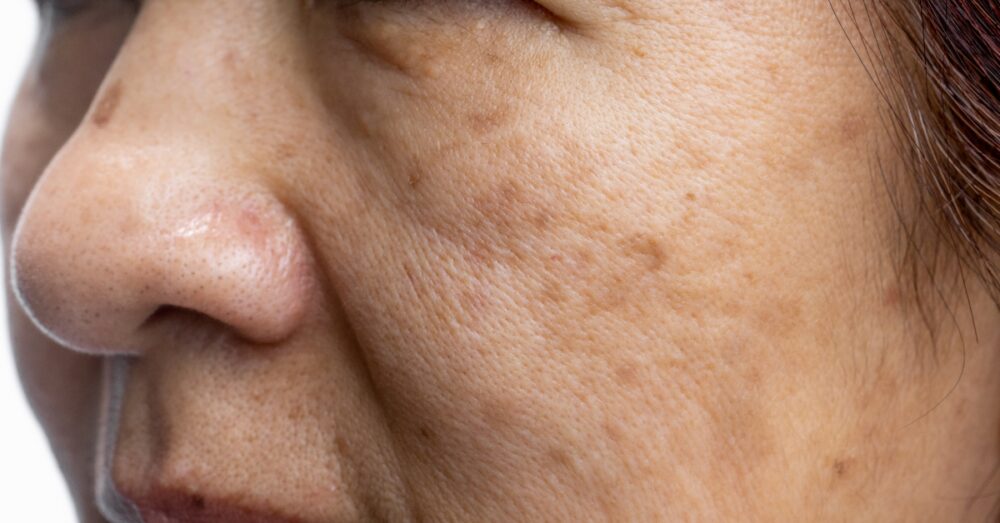
Melasma is a chronic pigment condition that shows up as brown or gray-brown patches, usually on the cheeks, forehead, nose, and upper lip. Unlike a single sun spot, it tends to appear in symmetrical, map-like shapes on both sides of the face.
It is stubborn because it has several triggers working at once. Sun exposure, visible light, heat, and hormones (including pregnancy and birth control) can all switch pigment cells into overdrive. That is why melasma often fades in winter and darkens again by July.
Many clients come to us after trying more aggressive treatments that made things worse. Strong heat can inflame the skin and cause rebound pigmentation, which is why the type of laser matters so much. The American Academy of Dermatology also notes that melasma often needs ongoing care, since it can return even after successful treatment.
How the MOXI Laser Treats Melasma
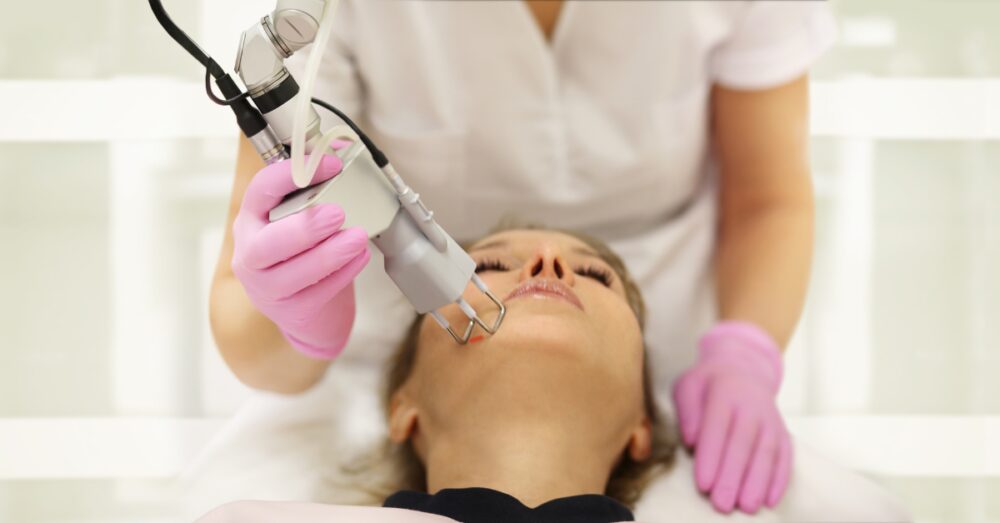
The MOXI laser is a non-ablative laser treatment, meaning it works without removing the skin’s surface. It delivers laser energy through thousands of microscopic columns, treating only a small fraction of skin at a time while leaving surrounding tissue intact. That healthy surrounding tissue helps the skin heal faster.
MOXI uses a 1927 nm wavelength that targets the upper layers of skin, right where much of the excess pigment sits. The energy loosens pigment and damaged cells, which then rise to the surface and shed over the following week. As your skin renews, uneven pigmentation softens, and your skin tone looks more balanced.
What makes it different from intense pulsed light or broadband light is the low heat. Those light-based devices can be effective for sun spots, but their heat can sometimes aggravate melasma. MOXI works as a gentle laser, so it can address pigment while keeping inflammation low. You also get a bonus boost in collagen production and smoother texture over time.
Is MOXI for Melasma Safe for Darker Skin Tones?
This is one of the most important questions, and the answer is encouraging. Because MOXI is a low-energy, non-ablative fractional laser, it is generally considered appropriate for a wider range of skin types than many traditional lasers, including darker skin tones and deeper skin tones.
Darker skin has more active pigment cells, which means it reacts more easily to heat and injury. That is exactly why aggressive treatments carry a higher risk of post-inflammatory hyperpigmentation in richer complexions. MOXI’s lighter touch lowers that risk.
Still, safe does not mean automatic. Your provider should adjust settings for your skin sensitivity, start conservatively, and space sessions properly. A careful skin assessment before your first session is the most important safety step for anyone with darker skin and melasma.
What to Expect From a MOXI Laser Session in Philadelphia
When you come in for MOXI in Philadelphia, your provider first cleanses your skin and applies a topical numbing cream. Most clients leave the numbing cream on for about 30 to 45 minutes, which keeps the session comfortable.
The treatment itself is quick. Most people describe minimal discomfort, often a light prickling sensation and mild warmth as the handpiece glides across the skin. Afterward, your skin may feel warm and look flushed, similar to a mild sunburn.
Many clients book MOXI in Philadelphia over a lunch break and head back to work the same day. You may look slightly pink, but most people feel comfortable going about their routine with a little extra care.
How Long Is the Healing Process?
Expect mild redness for a day or two. By day two or three, your skin will likely feel rough, almost like a sandpaper texture. This is a good sign. It means the treated pigment is working its way up.
You may also notice tiny darkened specks across treated areas. These are clusters of old pigment and damaged cells on their way out, and some areas of melasma may look darker for a few days before they lighten. Mild flaking follows, and within about five to seven days your skin clears, revealing brighter skin with a more even skin tone underneath.
How Many Sessions Will You Need?
Most clients need a series of treatments to see noticeable improvements in melasma. Sessions are usually spaced about four weeks apart, giving your skin time to recover fully between visits. The exact number depends on how deep your pigment sits and how strongly your skin responds.
We prefer a steady approach over pushing harder in fewer visits. Slow, consistent progress tends to look better and last longer than quick, intense changes. Many clients start seeing visible results after the second session, with the full effect building over several months.
Setting Realistic Expectations for Melasma
Here is the honest truth that every client deserves to hear. MOXI can significantly lighten melasma and improve skin clarity, but no laser can cure it. Melasma is a chronic condition, so the goal is control, not permanent erasure.
That does not make treatment less worthwhile. Clients who pair MOXI with daily sun protection and periodic maintenance often keep their skin looking clearer and calmer for much longer. Knowing this upfront protects you from disappointment and helps you plan around your real skin goals.
From our experience, the biggest factor clients overlook is the calendar. Philadelphia summers bring strong UV and heavy, humid heat, and both feed melasma. Starting your MOXI laser treatment in fall or winter gives your skin time to heal and stabilize before peak sun season. Clients who begin in October or November often reach spring with their best results already in place, then use a maintenance session to stay ahead of summer flare-ups.
Post-Treatment Care That Protects Your Results
Your post-care instructions are not optional with melasma. For the first several days, wash with a gentle cleanser, moisturize often, and let the flaking happen on its own. Picking can irritate the skin and cause new pigment.
Pause exfoliating acids, retinoids, and other strong actives until your provider gives you the green light. Your skin heals best when you keep things simple and calm during the first week.
Sun protection is the single most important part of post-treatment care. Use a broad-spectrum mineral sunscreen every day, reapply when outdoors, and consider a tinted formula, since visible light can also darken melasma. Wear a wide-brimmed hat when you can and avoid hot workouts, saunas, and steam rooms for several days, since heat is a known trigger.
Frequently Asked Questions
Can MOXI for melasma make my dark patches look worse before they get better?
Yes, temporarily. In the first few days after a MOXI session, melasma patches can look darker as pigment rises toward the surface and forms tiny darkened specks. This is part of the normal shedding process, not a sign of failure. Within about a week, these specks flake away and the treated area usually looks lighter. Gentle aftercare and strict sun protection help prevent true rebound darkening.
Is it safe to get MOXI if my melasma is hormonal?
MOXI can help lighten hormonal melasma, but hormones often keep driving new pigment, so results may need more maintenance. If you are pregnant, most providers recommend waiting until after pregnancy before starting laser treatment. If birth control or hormone therapy is a factor, share that during your consultation. Your provider can then set realistic expectations and build a plan that accounts for ongoing hormonal triggers.
What is the best time of year to start MOXI for melasma in Philadelphia?
Fall and winter are usually the best seasons to begin MOXI in Philadelphia. Sun exposure is lower, temperatures are cooler, and you are less likely to face heat that can trigger melasma while your skin heals. Starting between October and February gives you time to finish a full series before summer. You can then schedule a maintenance session in spring to protect your results through the sunniest months.
Can I wear makeup after a MOXI laser treatment for melasma?
Most clients can return to makeup within about 24 to 48 hours, once any mild redness settles and your provider approves. Choose clean, non-irritating products and apply them gently over moisturized skin, since your skin may feel rough and dry while it flakes. Avoid scrubbing to remove makeup. A tinted mineral sunscreen is often a great option, since it offers coverage and visible light protection at the same time.
Will my melasma come back after I finish my MOXI sessions?
Melasma can return because it is a chronic condition triggered by sun, heat, and hormones. Finishing your MOXI series does not stop those triggers. However, clients who wear daily sunscreen, avoid excess heat, and book periodic maintenance treatments often keep their skin clearer for much longer. Think of MOXI as one strong part of a long-term melasma plan rather than a one-time fix.
Book Your MOXI Consultation With Body+Beauty Lab
Clients looking for MOXI for melasma in Philadelphia often tell us they want results without the long recovery or the risk that came with past treatments. A gentle laser that respects melasma’s sensitivity, combined with careful aftercare, gives them a realistic path to a radiant complexion.
At Body+Beauty Lab, our process starts in our Beauty Customization Lab, where scanning technology helps our providers see pigment and sun damage beneath the skin’s surface. That insight shapes your settings, your session count, and your aftercare. For clients who want to support skin quality further, we also offer Rejuran® PDRN as an add-on to MOXI, which supports repair, hydration, and elasticity while MOXI refreshes the surface.
Visit us in Philadelphia, Radnor, Bay Harbor Islands, or West Palm Beach. Book your consultation today and take the first real step toward clearer, more even, glowing skin.