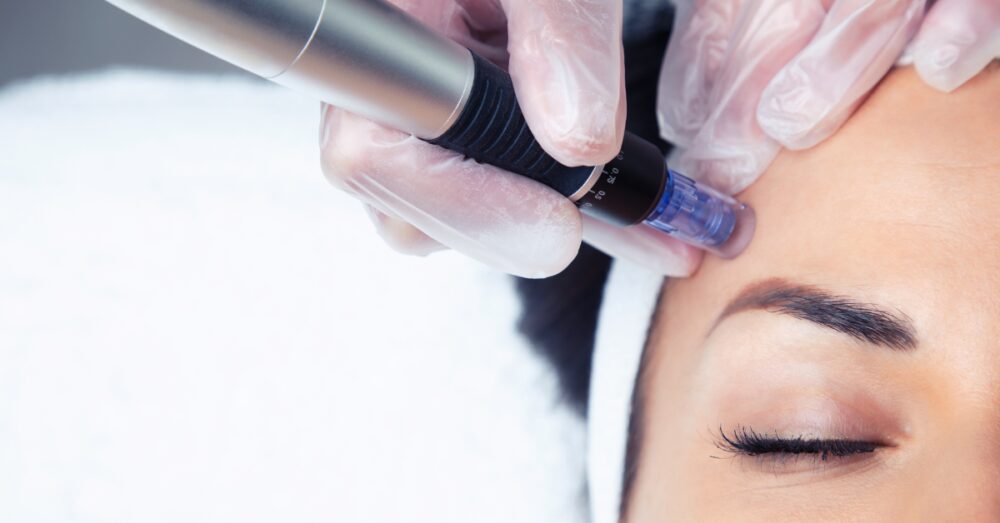
If you’ve been chasing clearer, more even skin for months or years, you already know how stubborn pigmentation can be. Whether it’s dark patches across your cheeks or sun spots that won’t budge, the question of whether microneedling can actually help is a fair one. This article is for anyone curious about microneedling for melasma and hyperpigmentation, and who wants a straight answer before booking anything.
Key Takeaways
- Microneedling can improve hyperpigmentation and skin texture, but melasma requires a careful, multi-step approach to avoid making it worse.
- RF microneedling and combination therapies show stronger results for stubborn pigmentation than microneedling alone.
- Sun protection is non-negotiable because without it, any treatment gains will fade quickly.
What Is Melasma and How Is It Different From Other Dark Spots?
Melasma is a chronic skin condition that causes brown or gray-brown patches, most commonly on the forehead, upper lip, and cheeks. It’s driven by an overproduction of melanin, or the pigment that gives skin its color, and is strongly linked to hormonal changes, sun exposure, and genetics.
Hyperpigmentation is a broader term. It covers any area where pigment-producing cells have deposited excess melanin, including acne scars, age spots, and sun spots. The distinction matters because treating melasma requires more caution than treating other forms of dark spots.
Unlike sun spots, melasma is a deeply rooted, often recurring condition. Hormone replacement therapy, pregnancy, and even stress can trigger new flares. That chronic nature means no single treatment will permanently resolve it.
How Microneedling Treatment Works for Pigmentation
Microneedling works by creating controlled micro-injuries in the skin using tiny needles. This kicks off the skin’s natural healing process, which includes a surge in collagen production and the renewal of healthy cells.
As fresh collagen forms and skin cells turn over, overall texture tends to improve, and areas of unwanted pigment can begin to fade. The microchannels created during the session also allow topical products, like tranexamic acid or vitamin C, to absorb far more effectively than they would through intact skin.
How Soon Do You See Results?
Most clients notice gradual improvement after two to three microneedling sessions. Full results from a treatment plan typically take three to six months, depending on how deep the pigmentation sits and how consistently aftercare is followed.

When Microneedling Alone Is Not Enough
For hormonal-driven melasma, microneedling alone rarely delivers lasting results. The underlying trigger, whether that’s birth control, pregnancy hormones, or hormone replacement therapy, is still active. Without addressing that, pigmentation tends to return.
A stronger approach pairs professional microneedling sessions with a consistent skincare routine that includes tyrosinase inhibitors like kojic acid and azelaic acid to suppress melanin production between appointments. Strict sun protection is also a core part of melasma management, not an optional add-on.
Topical treatments should be specifically formulated for your skin type and used as part of a long-term maintenance plan.
Can Microneedling Make Melasma Worse?
Yes, and it’s important to know when. Using needling depths that are too aggressive for the face or scheduling sessions too frequently can cause post-inflammatory hyperpigmentation. This is a reactive darkening of the skin that often affects darker skin tones more severely.
Signs to watch for after treatment include prolonged redness, patchy darkening, or new dark patches in areas that weren’t previously affected. If any of these appear, pause treatment and speak with your provider.
Spacing sessions at least four to six weeks apart and keeping needle depth conservative helps significantly reduce the risk.
Combining Microneedling With Chemical Peels and Other Treatments
Pairing microneedling with mild chemical peels can accelerate pigment clearing, especially when peels use ingredients that target pigment-producing cells without overly stressing the skin. Tranexamic acid applied topically right after microneedling, specifically when temporary pathways are open, has shown strong clinical results for treating melasma.
Alternating microneedling with laser treatments or pico sessions is another approach, but it requires careful spacing. Layering too many active treatments too close together raises inflammation risk and can worsen melasma in sensitive clients.
What About Vitamin C and Other Topical Creams?
Vitamin C is one of the more well-studied options for supporting a uniform skin tone post-treatment. It helps manage melanin production while the skin is in its recovery phase. Used alongside a microneedling plan, it can meaningfully even your skin tone over time.
Microneedling for Acne Scars and Other Skin Concerns
Microneedling was originally developed to treat acne scars, and it remains highly effective for that use. The collagen remodeling mechanism helps smooth depressed scars and improve skin texture without the downtime associated with more aggressive laser treatments.
That said, protocols vary by concern. The approach for pigmentation issues is not the same as the approach for textural scarring. A provider should customize your treatment plan based on your full list of skin concerns rather than applying a one-size-fits-all session.
Managing Dark Spots and Age Spots
Sun spots and age spots are generally more straightforward to treat than melasma because they aren’t hormonally driven. Targeted depigmenting ingredients such as azelaic acid, kojic acid, and vitamin C, combined with periodic microneedling sessions, can significantly reduce their appearance over three to six months.
Realistic timelines matter here. A single treatment won’t erase years of pigmentation. Consistency in both professional sessions and daily skincare is what moves the needle.
Skin Type and Skin Tone Considerations in Bay Harbor Islands
Fitzpatrick skin type plays a big role in determining a safe and effective protocol. Lighter skin tones typically tolerate more aggressive settings, while deeper skin tones require gentler needle depths, longer recovery windows, and conservative energy levels when RF microneedling is involved.
For clients in Bay Harbor Islands, where sun exposure is high year-round, this is especially relevant. Providers should have documented experience treating melanin-rich skin and should recommend patch testing before committing to a full series.
What a Treatment Plan for Melasma Looks Like
A starter series typically involves three to four microneedling sessions spaced four to six weeks apart. After that, maintenance sessions every two to three months help sustain results and prevent pigment from creeping back.
Before each session, a preparation phase usually includes:
- Stopping retinoids and actives three to five days prior
- Applying a tyrosinase inhibitor like tranexamic acid or azelaic acid in the weeks leading up to treatment
- Avoiding sun exposure for at least a week before the appointment
- Sharing your full medical history, including any hormone therapy, with your provider
Post-treatment, broad-spectrum SPF 50 every morning is mandatory. Reapply every two hours during prolonged sun exposure. Mineral sunscreens with iron oxides offer visible light protection, and this is an important detail for melasma clients as visible light can trigger pigmentation independently of UV light.
Practical Aftercare and Sun Protection After Microneedling for Melasma
Proper aftercare is where a lot of treatment gains are won or lost. The skin is more vulnerable after microneedling, and any sun exposure during that window can trigger a pigmentation response that undoes the session’s work.
Daily broad-spectrum SPF is the single most important step in any skincare routine for melasma management. Mineral sunscreens are generally better tolerated post-treatment and provide broader protection than chemical filters alone.
Avoid heat, intense workouts, and active skincare products for at least 48 hours after each session. Keep the routine simple and supportive while the skin rebuilds.
Frequently Asked Questions About Microneedling For Melasma and Hyperpigmentation
Is microneedling safe for darker skin tones trying to treat melasma in Bay Harbor Islands?
It can be, but only with the right protocol. Darker skin tones are more prone to post-inflammatory hyperpigmentation if sessions are too aggressive or too frequent. A provider experienced in treating diverse skin tones in Bay Harbor Islands should assess your Fitzpatrick type, recommend conservative needle depths, and suggest patch testing before a full series. Done carefully, microneedling is a viable option, but provider skill matters enormously here.
How many microneedling sessions does it realistically take to see improvement in melasma?
Most clients see noticeable improvement after three to four sessions, but melasma is a chronic condition, and results aren’t linear. Hormonal triggers, sun exposure habits, and whether you’re pairing treatment with topical treatments like tranexamic acid or azelaic acid all affect the timeline. A realistic expectation is gradual, meaningful improvement over four to six months, not dramatic clearing after a single treatment.
Can I use a home microneedling device instead of professional microneedling for dark patches?
Home devices use much shallower needle depths and don’t replicate the precision of professional microneedling. For surface-level pigmentation, they may offer mild texture improvement, but for melasma or deeper hyperpigmentation, they’re unlikely to create the collagen remodeling response needed. Worse, incorrect use can trigger inflammation and worsen melasma. For anything beyond basic maintenance, professional care is the safer route.
What should I do if my skin gets darker after a microneedling session?
Some temporary redness and mild darkening can occur as the skin heals, but if new dark patches appear or existing ones deepen beyond the first week, this may indicate post-inflammatory hyperpigmentation. Stop active treatments, focus on mineral sunscreens with SPF 50, and consult your provider before continuing the treatment schedule. Catching this early prevents it from compounding.
Does microneedling work on upper lip melasma specifically?
Upper lip melasma is one of the more stubborn patterns to treat because the area is small, reactive, and heavily influenced by hormonal changes. Microneedling can help, particularly when combined with topical treatments like tranexamic acid and strict photoprotection, but results tend to be slower in this area. Some clients respond better to alternating microneedling with targeted skincare treatment rather than relying on any one approach alone.
Ready to Build a Plan That Actually Works?
If you’re in Bay Harbor Islands or nearby and tired of guessing which treatment is right for your skin, Body+Beauty Lab offers personalized consultations designed around your actual skin history, not a generic protocol.
With locations in Bay Harbor Islands, Philadelphia, Radnor, and West Palm Beach, our providers bring real clinical depth to every pigmentation case. Whether you’re starting fresh or refining an existing routine, we’ll help you build a realistic, results-focused plan. Schedule your online consultation at Body+Beauty Lab today.