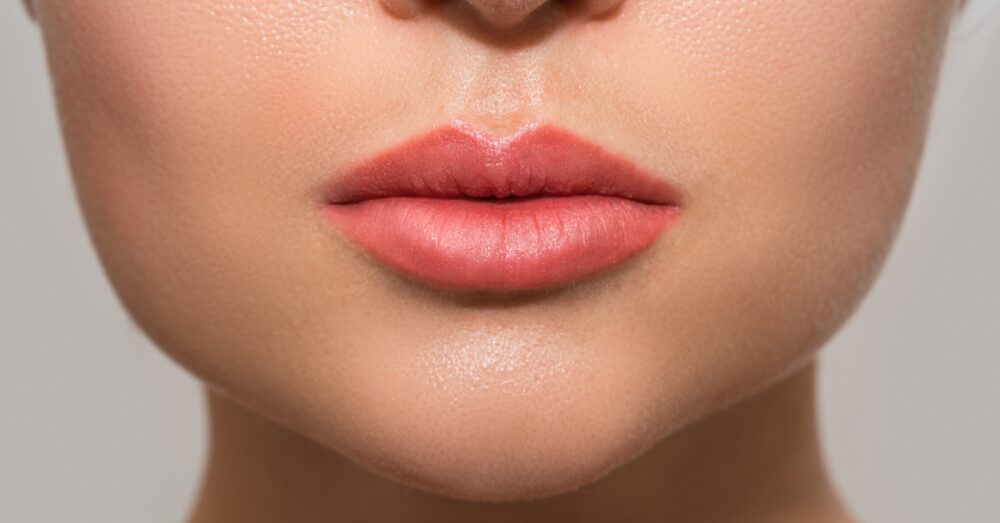
If you’re considering lip enhancement, you’ve probably come across two popular options: the lip flip and lip filler. Both can give you beautiful, natural looking results, but they work in completely different ways, and one may be a much better fit depending on what you’re after.
The lip flip vs lip filler in Philadelphia debate comes down to a simple question. Do you want a subtle shift in how your lips sit, or do you want to actually add volume and reshape your lips? Most people searching for answers here are leaning toward fuller, more defined lips, and if that sounds like you, lip filler is likely where you’ll land. But let’s walk through everything so you can feel confident in your decision.
What’s the Difference Between a Lip Flip and Lip Filler?
A lip flip uses a neuromodulator like Botox to relax the muscles around the upper lip. This allows the lip to curl slightly outward, creating the appearance of a fuller lip without actually adding any volume. Results typically show up within a few days and last about three to four months.
Lip filler, on the other hand, is an injectable treatment made from hyaluronic acid that physically adds volume, shape, and hydration to your lips. Results are visible almost immediately and typically last six to twelve months. Fillers gradually fade as your body metabolizes them, rather than wearing off all at once.
When someone wants the best of both worlds (a lifted upper lip plus added fullness) combining the two treatments is an excellent option. But for most people looking for a noticeable change, lip filler delivers the results they’re imagining.
What Is a Lip Flip and How Does It Work?
A lip flip involves injecting a small amount of Botox into the muscles around the upper lip. The neuromodulator relaxes those muscles just enough to let the lip flip gently outward, giving a subtle enhancement to your smile.
It doesn’t add any volume. Think of it as revealing more of the lip you already have, rather than building it up. Results take a few days to settle in and typically last three to four months before you’d need a touch up.
What Are the Benefits of a Lip Flip?
The lip flip is a great option if you’re looking for something very understated. It works well for correcting a gummy smile by preventing the upper lip from pulling up too high when you smile. It’s also a quick appointment, usually done in minutes, with minimal downtime.
That said, the results are limited. If you’re hoping for visible fullness or improved lip definition, a lip flip alone may not get you there.
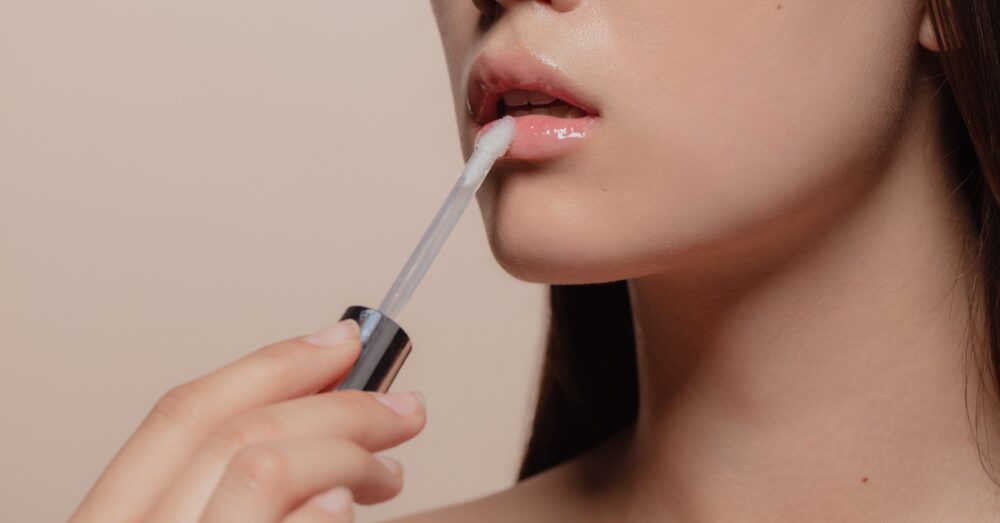
What Are Lip Fillers and How Do They Enhance Your Lips?
Lip filler is a dermal filler made from hyaluronic acid, a substance your body produces naturally. Hyaluronic acid can hold up to 1,000 times its weight in water, which is why it’s so effective at plumping and hydrating the lips.
Fillers can add volume to thin lips, reshape the overall contour, smooth fine lines around the mouth, improve symmetry between the upper and lower lips, and restore volume loss that happens with age. Results typically last six to twelve months depending on the product used and your body’s metabolism.
Which Lip Filler Brands Are Available?
The most commonly used hyaluronic acid fillers include options from the Juvéderm and Restylane families. Each brand offers different formulations. Some are lightweight and ideal for subtle definition, while others are thicker and designed for more dramatic volume.
Your provider will recommend the best product based on your goals and lip anatomy. This is a conversation worth having during your consultation because the right choice can make a significant difference in how your lip filler results look and feel.
How Does Adding Volume Compare to Muscle Relaxation?
Here’s where the two treatments really diverge:
- Fullness: Lip filler adds immediate, tangible volume. A lip flip simply repositions what’s already there.
- Longevity: Fillers last six to twelve months. Lip flips need to be repeated every three to four months.
- Recovery: Both have minimal downtime, though filler may involve a day or two of mild swelling and bruising.
- Cost over time: A lip flip is generally lower cost per session, but because it requires more frequent touch up treatments, the annual investment can add up. Filler offers more value for longer-lasting results.

Who Is a Good Candidate for Lip Filler or a Lip Flip?
If you want a subtle lift without added fullness, a lip flip might be enough. But if you’re looking to add volume, correct asymmetry, or achieve a more defined lip shape, filler is the way to go.
Good candidates are generally in good health and don’t have active oral infections, cold sores, or canker sores at the time of treatment. It’s also important to share your full medical history with your provider before any cosmetic treatment so they can create a safe, personalized treatment plan.
Not everyone needs the same approach. Some clients do beautifully with a conservative amount of filler, while others prefer a more noticeable transformation. Both are valid and a good provider will respect your desired look.
What Happens During the Procedure?
For both treatments, the process starts with a consultation where you’ll discuss your goals and map out a plan together.
During the lip filler procedure, a topical anesthetic is applied to numb the lips. A thin needle is then used to inject the filler into specific areas, specifically along the edges, corners, and body of the lips. The appointment typically takes 20 to 30 minutes. A lip flip takes even less time, usually around 10 minutes, with small injections placed along the upper lip border.
What Should You Expect During Recovery and Aftercare?
Mild swelling and bruising are common with lip filler, especially in the first 24 to 48 hours. Ice can help reduce swelling, and most clients feel comfortable returning to their normal routine the same day. Avoid intense exercise, excessive heat, and direct sun exposure around the mouth for the first day or two.
To maintain results, plan for a filler touch up every six to twelve months. Lip flips generally need to be repeated every three to four months. Staying consistent with your maintenance schedule helps you keep that look you love without starting over each time.
Are There Risks or Side Effects to Be Aware Of?
Common temporary side effects of lip filler include swelling, bruising, and tenderness at the injection sites. There’s also a rare risk of vascular occlusion, which is why choosing an experienced injectable specialist is so important.
For lip flips, risks include temporary muscle weakness and occasional difficulty with certain oral activities like drinking through a straw. These effects are short-lived and resolve as the neuromodulator wears off.
Can You Combine a Lip Flip With Lip Fillers?
Yes—and many clients in Philadelphia choose to do exactly that. Combining treatments lets you add volume with filler while also getting that gentle upper lip lift from a lip flip. The result is a fuller appearance with a refined, natural finish.
Your provider may recommend spacing the treatments a week or two apart, or performing them in the same session depending on your anatomy and goals. This combination approach is tailored to each individual, so there’s no one-size-fits-all answer.
How Do You Choose the Right Provider for Lip Augmentation in Philadelphia?
Experience matters more than anything when it comes to lip injections. Look for licensed providers who specialize in injectables and have an artistic eye for facial balance. Ask to see before-and-after photos during your consultation. Don’t hesitate to ask about product sourcing, emergency protocols, and their ongoing education in aesthetic treatments.
Philadelphia has no shortage of options, but the right provider will take time to listen, set realistic expectations, and build a treatment plan around your unique anatomy, not a cookie-cutter approach.
Frequently Asked Questions
How long does a lip flip last compared to lip filler?
A lip flip typically lasts three to four months, while lip filler results last six to twelve months. Filler fades gradually over time as your body naturally metabolizes the hyaluronic acid.
Is a lip flip cheaper than lip filler?
Per session, yes. A lip flip is generally a lower-cost treatment. However, because it requires more frequent appointments, the annual cost can approach or exceed what you’d spend on filler with fewer visits.
Can I get a lip flip and lip filler in Philadelphia at the same time?
In many cases, yes. Combining the two can give you both added volume and a subtle upper lip lift. Your provider will advise on the best timing and sequencing based on your goals.
Do lip fillers hurt?
Most clients report only mild discomfort. A topical anesthetic is applied before the procedure to numb the area, and many filler products also contain lidocaine for added comfort during injection.
How do I know which lip treatment is right for me?
The best way to find out is through a one-on-one consultation. Your provider will assess your lip anatomy, discuss your desired outcome, and recommend the right treatment or combination for your goals.
Ready to Find Your Perfect Lip Look?
If you’re ready to explore lip filler, a lip flip, or both, Body+Beauty Lab in Philadelphia is here to help. Schedule a complimentary consultation by calling (215) 258-8301 and bring your questions, your inspiration photos, and your wish list. Our providers will work with you to create a treatment plan that feels right and looks even better.