
If you’ve tried the endless cycle of restrictive diets and still can’t lose weight, you’re not alone. Peptide therapy for weight loss has become one of the most talked-about options for people who want to lose fat without white-knuckling through another crash diet. But does it actually work, and is it the right fit for you?
The short answer is yes, when it’s used correctly. Peptides are short chains of amino acids that send signals to your body, prompting fat breakdown, hormone regulation, and better metabolic health. Guided by a clinical provider, peptide therapy can support sustainable fat loss without the crash-and-rebound pattern of fad diets.
At Body+Beauty Lab, we offer clinically guided Peptide Therapy in Philadelphia designed around your body’s biology rather than a one-size-fits-all plan.
Key Takeaways
- Peptide therapy for weight loss works by signaling your body’s natural processes to burn fat, control appetite, and support lean muscle mass.
- The best results come from a personalized approach paired with lifestyle changes, not shortcuts or fad diets.
- Peptide Therapy in Philadelphia at Body+Beauty Lab uses your bloodwork, goals, and medical history to build a protocol for lasting results.
What Is Peptide Therapy?
Peptides are naturally occurring chains of amino acids that act as messengers in your body. They tell your cells what to do, whether that’s repairing tissue, regulating hormones, or breaking down stored fat for energy.
As you age, your natural peptide production drops. That’s part of why it gets harder to lose weight, sleep quality slips, and energy dips even when you’re doing everything right.
Peptide therapy delivers those signals clinically, giving your body a nudge back toward how it functioned in your twenties.
How Does Peptide Therapy Work for Weight Loss?
Peptides for weight loss target specific metabolic processes. Some tell your pituitary gland to release growth hormone, which supports fat oxidation and lean muscle mass. Others activate pathways in the liver to increase caloric burn and fat burning.
A few work on appetite signals, helping you control cravings and calorie intake without feeling deprived. Others improve insulin sensitivity, which matters because insulin resistance often drives weight gain and disrupts blood sugar levels.
Peptide therapy offers a way to work with your biology, supporting weight loss that feels sustainable because it addresses root causes.
Peptide Therapy in Philadelphia at Body+Beauty Lab
Our Integrative Health team builds every protocol around your specific biomarkers, medical history, and goals. That means your plan for Peptide Therapy in Philadelphia looks nothing like the person next to you.
You’ll start with an intake consultation, bloodwork, and two follow-up appointments, all included in our Peptide Package Program.
Which Specific Peptides Support Fat Loss and Weight Management?
Fat loss peptides work through different mechanisms, so the right choice depends on your body and your goals. Here are the specific peptides we offer for weight loss therapy:
- AOD-9604 helps break down stored fat for energy without disrupting muscle growth or regulating blood sugar.
- Tesamorelin signals the pituitary gland to release growth hormone, with clinical studies showing measurable reductions in stubborn belly fat.
- Ibutamoren (MK-677) stimulates growth hormone release, supporting lean muscle, bone density, sleep quality, and overall body composition.
- Tesofensine supports appetite regulation, reducing appetite and cravings to help balance calorie intake.
- SLU-PP-332 activates metabolic pathways in the liver to increase caloric burn and fat loss without significant muscle loss.
- MOTS-C helps your cells burn fat and sugar more efficiently, supporting energy production and metabolic health.
Your provider may recommend one peptide or a curated stack based on your bloodwork.
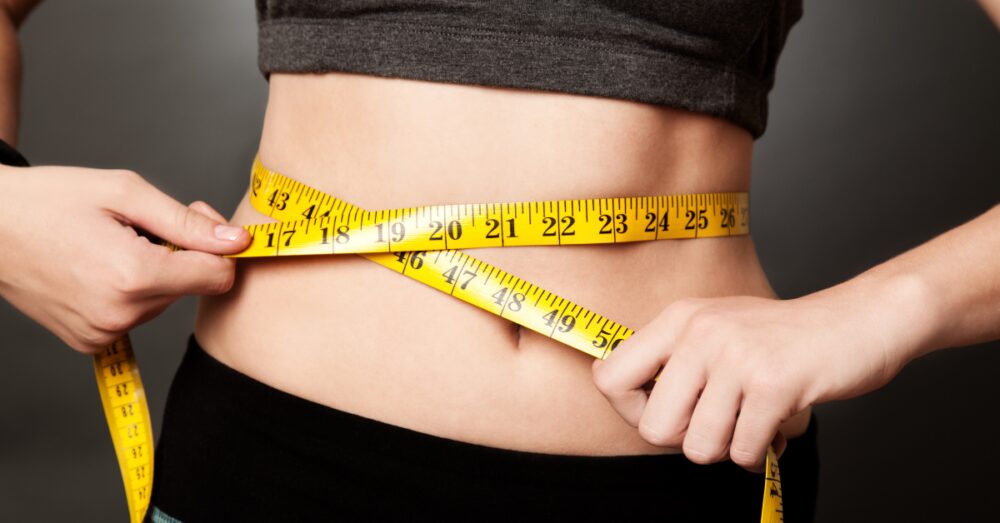
Does Peptide Therapy Deliver Significant Weight Loss?
Clinical trials show peptides can support meaningful fat loss, especially when paired with lifestyle changes like better sleep, movement, and nutrition. A published trial on Tesamorelin, for example, demonstrated measurable reductions in visceral fat over 26 weeks. You can review the research on Tesamorelin published at the National Institutes of Health.
The catch is that peptides aren’t a magic shortcut. They’re a tool that works best when your habits support them.
Our provider Krysha Mallari puts it this way: peptides are most effective when we treat the root causes, not just the number on the scale. Sleep, stress, hormone regulation, and insulin sensitivity all matter. Clients who address those alongside their peptide protocol achieve sustainable results, while those chasing quick fixes usually rebound.
How Is Peptide Therapy Different from Fad Diets?
Fad diets rely on calorie restriction and willpower, which is why most people regain the body weight they lost. Peptide therapy is a non-surgical treatment that works on your body’s natural processes, supporting fat metabolism, hormone balance, and appetite regulation at the cellular level.
You’re not fighting your biology. You’re guiding it. That’s a big reason clients pursuing Peptide Therapy in Philadelphia report they feel steadier and more energized during their weight loss journey.
Who Is a Good Candidate for Weight Loss Peptides?
Peptide therapy is a strong option for adults who have tried lifestyle changes without seeing the results they want. It’s especially helpful if you’re dealing with stubborn belly fat, low energy, poor sleep quality, or signs of insulin resistance.
It’s not the right fit for everyone. Conditions like high blood pressure or high cholesterol, certain medications, and family history factors need review first, which is why every protocol starts with a full consultation and bloodwork with your healthcare provider.
What to Expect from Peptide Therapy in Philadelphia
Your first visit includes a detailed intake and blood draw. Your provider reviews your lifestyle, medical history, and goals, then designs a peptide protocol built around what your body actually needs.
Most peptide injections are subcutaneous and easy to self-administer at home after guidance from your provider. You’ll come back for two follow-up appointments to monitor progress.
Ongoing monitoring is what separates clinical peptide therapy from anything you’d find online. Your provider tracks how your body responds and refines your plan so you keep moving toward sustainable results.
Can Combining Peptide Therapy Improve Results?
Yes. Many peptides work better together because they target complementary pathways. A stack might combine a fat loss peptide with one that supports recovery, sleep, or hormone regulation for amplified results.
At Body+Beauty Lab, layered protocols come with progressive discounts, and combining peptide therapy is only recommended after your provider reviews your initial bloodwork.
What Results Can You Expect and When?
Most clients notice changes in energy, sleep, and appetite within the first few weeks. Visible fat loss and body composition shifts typically build over two to three months of consistent use.
Because peptides support your body’s ability to regulate itself, long-term success depends on how well you keep supporting the protocol with sleep, movement, and smart nutrition.
Frequently Asked Questions About Peptide Therapy in Philadelphia
How much weight can you realistically lose with peptide therapy?
Weight loss with peptide therapy varies based on your starting point, protocol, and lifestyle. Most clients see gradual fat loss over two to three months rather than dramatic drops. Peptides like Tesamorelin and AOD-9604 specifically target stubborn fat, while others help suppress appetite and preserve lean muscle mass. Working with your provider on sleep, nutrition, and movement often makes the difference between modest results and significant weight loss during your protocol.
Can you combine multiple weight loss peptides safely?
Yes, when it’s done under clinical guidance. Many peptides target complementary pathways, so combining them can amplify fat loss, recovery, and hormone regulation. At Body+Beauty Lab, your provider reviews your bloodwork before recommending any stack. Layering peptides without medical supervision can create imbalances or missed contraindications. A curated protocol keeps you safe while making sure each peptide has a specific job in supporting your weight loss journey and metabolic health.
Does peptide therapy for weight loss require lifestyle changes to work?
Yes. Peptides amplify what your body is already doing, so lifestyle habits matter. Clients who pair peptide therapy with better sleep quality, resistance training, and balanced nutrition see the strongest and most lasting results. Peptides aren’t a replacement for lifestyle changes, and they’re not a fad diet shortcut. Think of them as clinical support that makes your existing efforts significantly more effective by improving insulin sensitivity, fat metabolism, and hormone balance at the cellular level.
Will you regain weight after stopping peptide therapy?
Weight maintenance after peptide therapy depends on the habits you build during your protocol. Clients who use their peptide cycle to improve sleep, movement, and nutrition often keep their results long-term. Those who rely on peptides alone without addressing root causes may see some rebound. Your provider will help you plan a transition strategy so you protect the fat loss, energy, and metabolic health gains you worked for during treatment.
Book Your Consultation for Peptide Therapy in Philadelphia
If you’re ready to stop guessing and start working with your biology, Body+Beauty Lab is where thoughtful, personalized care meets a genuinely luxurious experience.
Our Integrative Health providers map your bloodwork, goals, and lifestyle into a peptide protocol built entirely for you. Every visit feels calm, considered, and focused on you, the way medical care should feel. You can book your personalized consultation at any of our four locations: Philadelphia, Radnor, West Palm Beach, or Bay Harbor Islands.
Book your consultation for Peptide Therapy in Philadelphia today, and see what your wellness journey can look like when your body has the right signals to work with.