Botox typically lasts between three and six months, but the real answer is more nuanced than that. How long Botox treatment lasts depends on where it’s injected, how active those muscles are, and how your body processes the treatment. Whether you’re considering your first appointment or trying to stretch your results a little further, this guide covers everything you need to know.
How Does Botox Work?
Botox is derived from botulinum toxin, a purified protein produced by the bacterium Clostridium botulinum. When injected in small, controlled amounts, it temporarily blocks the nerve signals that tell specific muscles to contract.
The result? Those targeted muscles relax, and the wrinkles caused by repeated facial expressions soften or disappear. It’s not permanent, but that’s also what makes it safe and adjustable.
What Happens at the Injection Site?
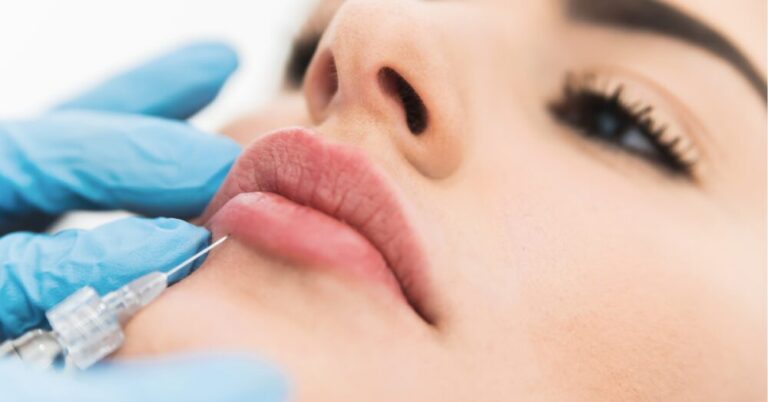
A fine needle delivers botulinum toxin directly into specific facial muscles. The process is quick, and most patients find it very tolerable. Some providers in Bay Harbor Islands, FL offer numbing cream beforehand if you’re sensitive.
Onset isn’t immediate. Most patients report the first signs of Botox working within 48 to 72 hours, with full results visible around 10 to 14 days post-treatment.
What Is the Timeline of Botox Results After Treatment?
Here’s what to expect after your botox treatment, from the first hours to the final fade:
- 0–24 hours: Minor swelling, redness, or small bumps at the injection site are normal and typically resolve quickly.
- 3–5 days: Results begin to appear. Most patients notice softening in treated areas within this window.
- 2 weeks: Full botox results are visible. This is also the ideal time for a follow-up assessment.
- 3–4 months: For most patients, this is when muscle activity starts returning—particularly in high-movement areas like the forehead.
- 4–6 months: Some areas, like frown lines or masseter botox for jaw slimming, may hold results longer.
- Beyond 6 months: As the botulinum toxin wears off, the targeted muscles gradually resume movement and wrinkles may reappear.
Plan your next botox appointment around the 3-month mark to stay ahead of full muscle recovery.
How Long Does Botox Last by Treatment Area?
Not all areas are equal. The treatment area has a significant impact on how long botox lasts. Smaller or less active muscles tend to hold results longer than larger, stronger ones.
Botox for Forehead Lines
Forehead lines and horizontal forehead lines typically last 3 to 4 months. Because the forehead is one of the most active areas of the face as it is constantly raising, furrowing, and expressing, results here often fade faster than elsewhere.
Botox for Crow’s Feet
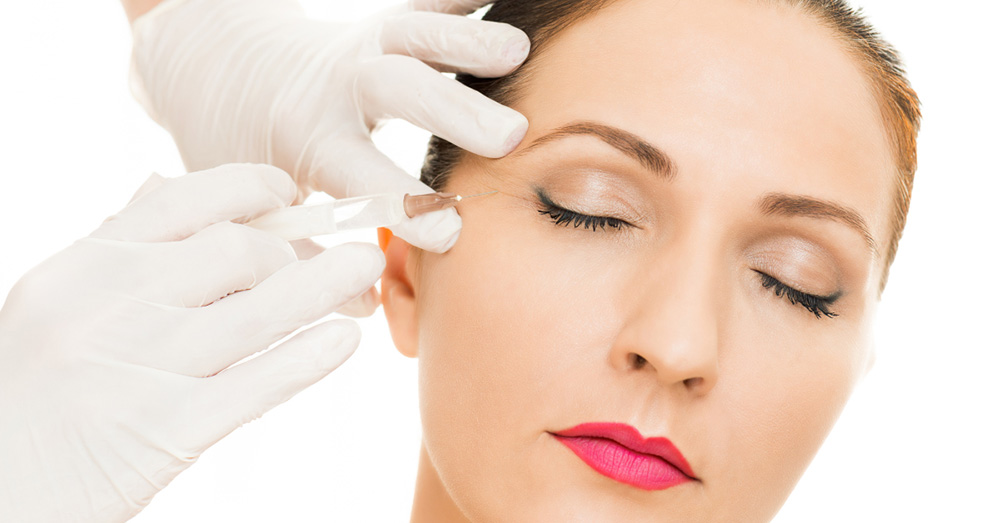
Botox injected around the eyes to soften crow’s feet generally lasts 3 to 4 months as well. The delicate muscles in this area respond well, and many patients in Bay Harbor Islands, FL find this one of their favorite treatment areas for natural-looking results.
Botox for Frown Lines
Frown lines between the brows can last over 4 months in many patients. These muscles, while expressive, tend to respond well to consistent treatments over time.
Lip Line Botox
Lip lines are a shorter-duration area—results may only last 6 to 8 weeks due to the constant motion of the mouth. This is worth discussing with your injector before committing to this specific treatment.
Masseter Botox
Masseter botox, used for jaw slimming or teeth grinding relief, typically lasts 4 to 6 months. The masseter is a powerful muscle, and while it may need a higher initial dose, results in this area tend to be quite satisfying and longer lasting than facial expression zones.

What Factors Affect How Long Botox Lasts?
Several factors influence how your body metabolizes Botox and how long results hold. Understanding these can help you set realistic expectations and make the most of your treatment plan.
- Age and skin elasticity: Younger patients with better skin elasticity often experience longer-lasting botox results. As skin elasticity decreases with age, results may fade a little faster.
- Metabolic rate: Individuals with higher metabolic rates, particularly very active or athletic people, may metabolize Botox faster, leading to a shorter duration. This is one reason some patients in active communities find they need more frequent touch-ups.
- Muscle strength: Stronger, thicker muscles require more product and more frequent maintenance treatments. The masseter and forehead are prime examples.
- Dosage and injection technique: A higher dosage can sometimes extend results. Injection technique is also important; precise placement into the right muscle matters.
- Lifestyle factors: Smoking, excessive sun exposure, high stress, and poor sleep can all accelerate breakdown of Botox in the body. Stress in particular can lead to unconscious facial tension that wears results down faster.
- Product quality: The brand and storage conditions of the botulinum toxin product used can affect its effectiveness. Always confirm your provider is using properly stored, clinical-grade product.
What Aftercare Helps Maximize Botox Results?
Post treatment care instructions are straightforward but important. Following them protects your investment and supports better, longer-lasting botox results.
Remain upright for at least four hours after your injections. This prevents the toxin from migrating to unintended areas. Avoid rubbing or putting pressure on treated areas for at least 24 hours. This is one of the most commonly overlooked post treatment instructions.
Skip strenuous exercise for 24 hours. Elevated heart rate and blood flow can increase swelling and risk of bruising. Schedule your two-week follow-up so your provider can assess whether any touch-up is needed once full results are visible.
For ongoing skin health, protect your skin with SPF 30+ daily. Excessive sun exposure can degrade skin quality and shorten results. Staying hydrated, eating well, and managing stress all support the longevity of Botox effects over time.
Can You Combine Botox With Dermal Fillers?
Yes, and many patients choose to. Botox and dermal fillers serve different purposes. Botox relaxes dynamic wrinkles caused by muscle movement. Dermal fillers restore volume and structure that’s been lost over time.
When combined, they support a more refreshed, youthful appearance than either treatment alone. In terms of sequencing, botox is usually done first or at the same appointment, depending on the areas being treated.
Discuss your full goals with your injector. A well-designed treatment plan that incorporates both botox injections and dermal fillers can deliver what’s often called a comprehensive facial rejuvenation result, with each treatment doing its specific job.
Is Botox Safe? What Are the Risks?
Botox is one of the most studied cosmetic treatments in the world and it has a strong safety record. Common minor side effects include redness, minor swelling, and bruising at the injection site, and these typically resolve within a few hours to a couple of days.
Rare but more serious complications can include drooping eyelids, asymmetry, or headaches. These are more likely when botox injections are performed by an inexperienced injector, which is why choosing the right provider in Bay Harbor Islands, FL matters.
Botox is not recommended during pregnancy or while breastfeeding. If you have neuromuscular conditions or take certain medications that affect nerve signaling, discuss this thoroughly with your provider before moving forward.
FAQs About Botox Results and Appointments
When will I first notice results after my botox treatment?
Most patients start to see results within 3 to 5 days. The full effect typically becomes visible around 10 to 14 days after treatment, which is why a two-week follow-up is so useful.
How long should I wait between botox appointments?
Most patients return every 3 to 4 months to maintain results. Over time, with consistent treatments, muscles may stay relaxed longer, and some patients stretch their appointments slightly further apart.
Can botox interact with vaccines or other medications?
Botulinum toxin injections don’t typically interact with vaccines. However, certain medications, including some antibiotics and muscle relaxants—can affect how Botox works. Always disclose your full medication list at your appointment.
What symptoms should prompt me to contact my provider after treatment?
Reach out to your provider if you experience difficulty swallowing, breathing issues, significant asymmetry, or drooping that affects your vision. These are uncommon but warrant prompt attention.
Does Botox stop working over time?
In rare cases, patients develop resistance to botulinum toxin after repeated treatments. Switching neuromodulator brands may help. More commonly, perceived fading just means the dose or technique needs adjusting, which is something a good injector can work through with you.
Ready to Book Your Botox Appointment in Bay Harbor Islands, FL?
At Body+Beauty Lab in Bay Harbor Islands, FL, our providers offer personalized botox injections tailored to your anatomy and aesthetic goals. Whether you’re targeting forehead lines, crow’s feet, or jaw slimming with masseter botox, we’re here to help you get natural-looking results that last.
Call us today at +1 561-349-6599 to schedule your consultation.