If you’ve been scrolling through skincare content and wondering whether baby Botox is the right move for you, you’re not alone. More people are asking about this lighter approach to Botox injections, and for good reason. Baby Botox uses smaller doses of botulinum toxin type A to soften fine lines and wrinkles without freezing your face. It’s a subtler, more gradual way to stay ahead of early signs of aging while keeping your facial movement intact.
Let’s walk through everything you need to know before booking your first appointment.
Key Takeaways:
- Baby Botox uses roughly 50% fewer units than traditional Botox to soften fine lines and wrinkles while preserving natural facial movement and expression.
- It’s ideal for clients in their mid-20s to early 40s who want a subtle, preventative approach to aging rather than dramatic correction.
- Results typically last two to three months, and consistent treatments over time can train muscles to relax more naturally, potentially extending results between sessions.
What Is Baby Botox and Preventative Botox?
Baby Botox is exactly what it sounds like: a Botox treatment that uses fewer units than a traditional session. The goal isn’t to eliminate all muscle movement. Instead, it’s designed to soften muscle movement just enough to smooth out fine lines while preserving your natural expressions.
Preventative Botox follows a similar philosophy. Rather than waiting until deeper wrinkles have already formed, preventive Botox targets specific muscles early to slow down the formation of new wrinkles over time. Think of it as staying ahead of the aging process rather than playing catch-up.
Unlike traditional Botox, which typically uses higher doses to relax muscles more aggressively, baby Botox keeps things light. You’ll still look like yourself, just a bit more refreshed.
Baby Botox vs. Regular Botox: Dosage and Goals
One of the biggest questions people have is how baby Botox actually compares to regular Botox. The difference comes down to dosage, goals, and how long results last.
- Units per area: Baby Botox typically uses about 50% fewer units per treatment area. For example, where traditional Botox treatments might call for 20 units in the forehead, baby Botox may use 8 to 12.
- Duration: Regular Botox results tend to last three to four months. Baby Botox results generally last closer to two to three months, which means more frequent touch-ups.
- Goal: Traditional Botox aims to significantly reduce or stop muscle contractions in targeted areas. Baby Botox aims for subtle results that soften lines and wrinkles without creating a frozen expression.
If you want dramatic results for more pronounced wrinkles, regular Botox is likely the better fit. If you prefer a natural-looking outcome with preserved facial movement, baby Botox is worth considering.
Who Is a Good Candidate for Baby Botox?
A good candidate for baby Botox is typically someone in their mid-20s to early 40s who is noticing the early signs of fine lines, particularly around the forehead, crow’s feet, and frown lines. That said, age alone doesn’t determine whether this treatment is right for you. Skin type, lifestyle, and your cosmetic goals all factor in.
You might also be a strong candidate if you’ve never had Botox before and want to start with something subtle. Many clients in Philadelphia begin with baby Botox as a way to ease into injectable treatments without committing to a full dose right away.
When to Hold Off
Baby Botox isn’t appropriate for everyone. If you’re pregnant, nursing, or have a neuromuscular condition, Botox injections of any kind are not recommended. Always share your full medical history with your provider before any procedure.
What to Expect at a Baby Botox Appointment
Preparation is simple. Avoid blood thinners, alcohol, and anti-inflammatory medications for about a week before your appointment to reduce the risk of bruising at injection sites. Come with a clean face and a clear idea of the areas you’d like treated.
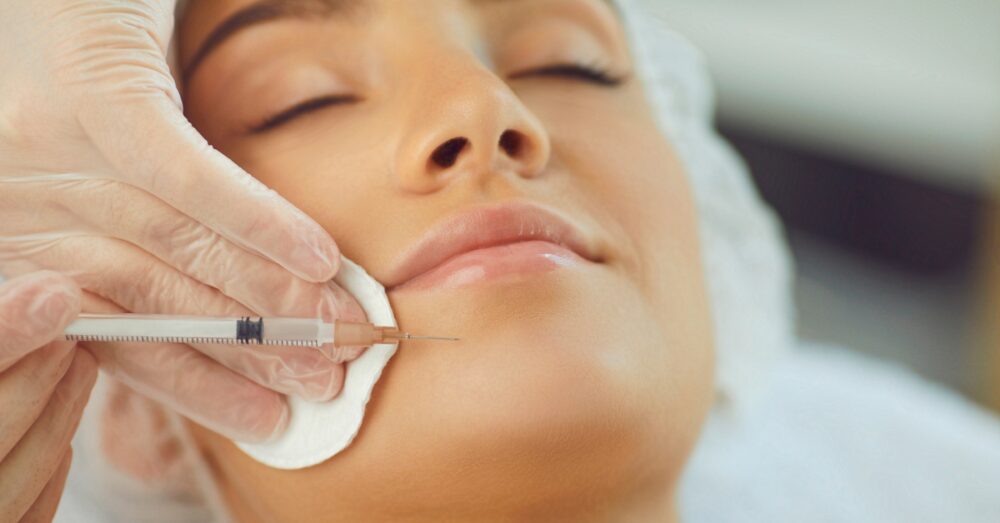
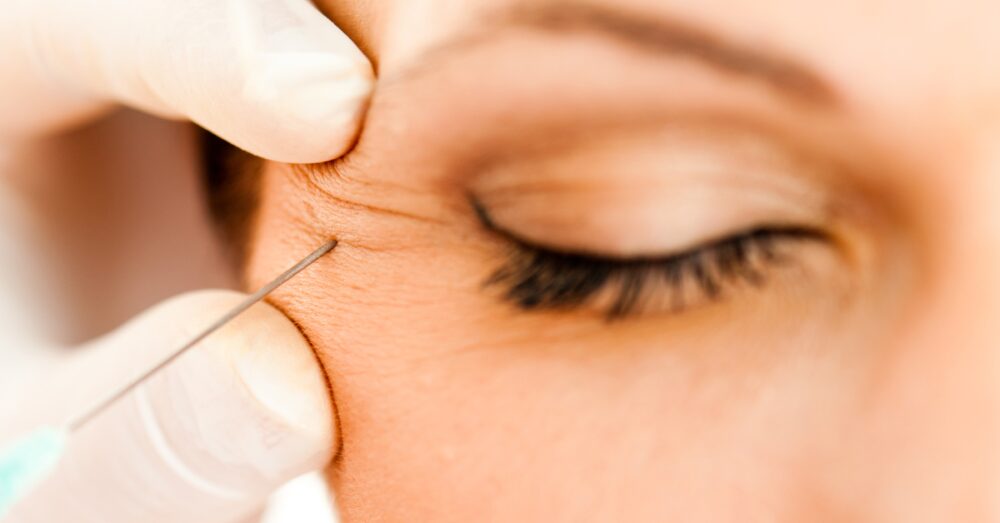
The injection session itself usually takes 15 to 20 minutes. Your provider will use a fine needle to deliver small amounts of Botox into targeted areas. Most people describe the sensation as a quick pinch. There’s no significant recovery time, and you can return to most daily activities right away.
Plan to schedule a follow-up about two weeks after your session. This gives your provider a chance to assess visible results and determine whether any adjustments are needed to your treatment plan.
How Does Baby Botox Achieve Natural-Looking Results?
The secret to natural-looking results comes down to two things: conservative dosing and an experienced injector. When Botox is injected in smaller doses, it softens dynamic wrinkles without eliminating your ability to express emotion. Your face still moves. You just look well-rested.
Choosing a qualified provider matters more than almost anything else. An experienced injector understands facial anatomy and knows how to customize each session to your unique features. This is especially important in facial areas, which is why many clients use Botox for forehead and around the eyes, where even a slight miscalculation can affect your appearance.
If you’re reviewing before-and-after photos, look for results that appear natural, not overdone. That’s the hallmark of a skilled provider.
Combining Baby Botox With Dermal Fillers and Other Treatments
Baby Botox works well on its own, but it can also be part of a broader anti-aging strategy. Dermal fillers, for instance, address a different concern altogether. While Botox targets muscle movement that causes wrinkles, fillers restore lost volume and smooth out deep lines that Botox alone can’t fix.
Many clients choose to pair dermal fillers with baby Botox for a more complete result. Your provider can help you sequence these treatments properly, often recommending Botox first, followed by fillers at a separate appointment.
Other treatments like microneedling or laser resurfacing can complement your results by improving skin texture and tone between Botox sessions.
Treating Deeper Wrinkles: When Regular Botox Makes More Sense
If you’re dealing with pronounced wrinkles or static wrinkles that are visible even when your face is at rest, baby Botox may not deliver enough correction on its own. In these cases, traditional Botox treatments with higher doses may be more effective at reducing deeper wrinkles.
For volume-related deep lines, such as nasolabial folds, dermal fillers are often the better solution. A thoughtful treatment plan might combine regular Botox, fillers, and other procedures tailored to your specific concerns.
Should I Start Early With Preventative Botox?
Starting early with preventive Botox has real benefits. By reducing muscle contractions before lines become etched into the skin, you can prevent new wrinkles from forming in the first place. Many clients in their late 20s and early 30s in Philadelphia find this approach appealing.
That said, starting too early or using Botox when it’s not needed can lead to unnecessary spending. If you’re unsure, consider a trial period: book one session, see how you feel about the subtle results, and go from there. There’s no pressure to commit to an ongoing plan right away.
Frequently Asked Questions About Baby Botox in Philadelphia
How many units of baby Botox do I need for just my forehead and crow’s feet?
Most people need between 10 and 20 total units when treating the forehead and crow’s feet with baby Botox. Your provider will assess your facial movement during your consultation and recommend the right dosage for your goals.
Can I switch from baby Botox to regular Botox later if my wrinkles get deeper?
Absolutely. Many clients start with baby Botox and transition to traditional Botox as their needs change over time. Your provider can adjust your treatment plan at any visit.
Will baby Botox help with excessive sweating the same way regular Botox does?
Botox is FDA-approved for treating excessive sweating and has even been used for conditions like migraines and overactive bladder. However, baby Botox uses smaller doses, so full-dose treatments are typically recommended for these specific concerns.
How soon after baby Botox can I get dermal fillers in the same facial areas?
Most providers recommend waiting at least two weeks between Botox and filler appointments in the same areas. This allows the Botox to settle so your provider can accurately assess where filler is needed.
Is there a way to make baby Botox results last longer without increasing the dosage?
Consistent treatments over time can actually train your muscles to relax more naturally, which may extend results between sessions. Good skincare, sun protection, and avoiding smoking also help your results last longer.
Book Your Baby Botox Appointment in Philadelphia, PA
If you’re ready to explore what baby Botox can do for you, Body+Beauty Lab in Philadelphia is here to help. Our providers specialize in natural-looking results tailored to each client’s unique features. We also have locations in Radnor, West Palm Beach (FL), and Bay Harbor Islands (FL), so wherever you are, expert care is within reach. Schedule a consultation today to discuss your goals, ask questions, and build a treatment plan that works for you.