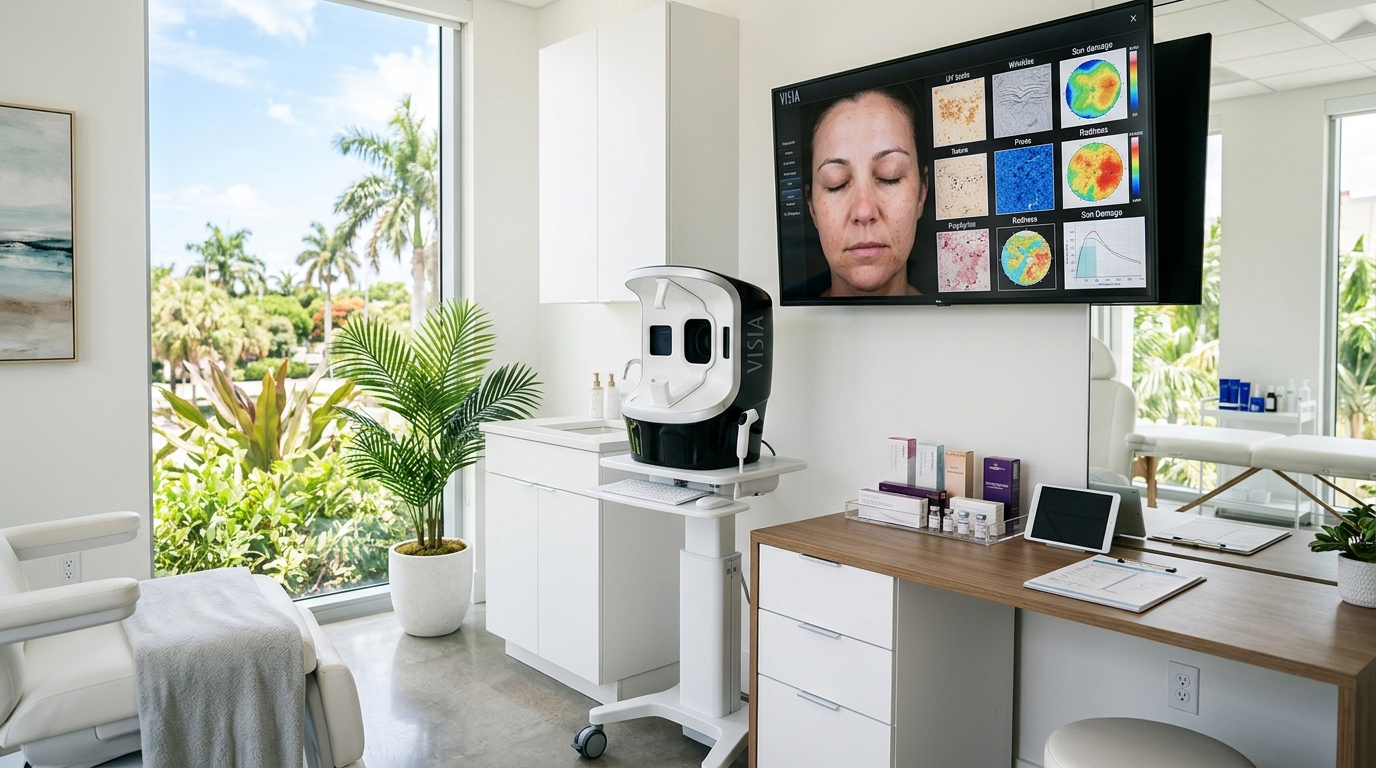
If you've ever wondered why some skincare routines deliver stunning results while others waste time and money, the answer often lies in understanding your skin at a deeper level. A personalized skin assessment in West Palm Beach provides clinical-grade analysis of your unique skin concerns, using advanced imaging technology and expert evaluation to guide treatment decisions. Rather than guessing which products or procedures might work, you gain measurable insights into your skin's current state and a roadmap for achieving your aesthetic goals.
At Body+Beauty Lab's West Palm Beach location, Dr. Shaker Hamadiya, Dr. Lisa Learn, and their team combine diagnostic tools with clinical expertise to deliver assessments that inform your treatment plan. This approach transforms skincare from trial-and-error into a data-driven, personalized journey.
What Is Included in a Personalized Skin Assessment?
A personalized skin assessment typically includes multi-spectrum imaging analysis, clinical skin examination, health and lifestyle review, detailed documentation of baseline measurements, and a customized treatment plan addressing your specific concerns. Advanced systems capture data on pigmentation patterns, UV damage, pore size, vascular conditions, texture irregularities, and bacteria presence invisible to the naked eye. The clinician correlates this technical data with your medical history, skincare goals, budget considerations, and lifestyle factors to create an actionable roadmap.
A comprehensive assessment can include the following components. Exactly what is used varies by practice and provider:
Clinical Consultation and Medical History: Your provider reviews medications, previous treatments, allergies, sun exposure history, and any diagnosed skin conditions. This context helps identify contraindications and explains patterns visible in imaging results.
Advanced Imaging Technology: Systems like VISIA Skin Analysis, which Body+Beauty Lab West Palm Beach offers, use UV technology and digital photography to capture the skin's surface and subsurface layers, revealing concerns that are hard to judge by eye alone.
Surface and Subsurface Analysis: The assessment examines both what you see in the mirror and what lies beneath. Dermatoscopy and cross-polarized light reveal subsurface pigmentation, allowing providers to predict how sun damage or melasma might evolve with treatment.
Hydration and Barrier Function Testing: Measurements of transepidermal water loss (TEWL) and skin capacitance indicate barrier integrity, which is critical for determining whether aggressive exfoliation or gentler hydration-focused treatments are appropriate.
Personalized Treatment Plan Documentation: You receive a written summary detailing findings, baseline measurements, recommended treatments, expected timelines, and follow-up assessment schedules. This document becomes your progress-tracking tool over months or years of care.
A quality assessment serves as the foundation for your subsequent aesthetic decisions. Think of it as a consultation that replaces guesswork with measurable information.
How Does a Personalized Skin Assessment Differ from a Standard Facial Consultation?
A personalized skin assessment uses objective diagnostic technology and clinical evaluation protocols to quantify skin conditions and track changes over time, while a standard facial consultation typically relies on visual inspection and subjective observations without standardized measurement or medical-grade analysis. The assessment produces documented baseline data that informs treatment selection across multiple modalities, whereas a facial consultation usually focuses on immediate service recommendations within the esthetician's scope of practice.
Scope and Depth of Evaluation: Standard facial consultations often occur immediately before a scheduled treatment and emphasize surface-level concerns visible during a brief visual inspection. The esthetician may ask about your skincare routine and current concerns, then recommend products or facials based on skin type categorization (oily, dry, combination, sensitive).
In contrast, a personalized skin assessment conducted by a physician, nurse practitioner, or physician assistant integrates medical evaluation with advanced diagnostics. At Body+Beauty Lab West Palm Beach, that includes aesthetic nurse practitioner Judite (Judi) Ferrao. The provider can flag spots that deserve a closer look, consider hormonal contributions to acne or pigmentation, and recommend prescription-strength options alongside aesthetic treatments where appropriate.
Technology and Objectivity: Facial consultations depend on the esthetician's trained eye, which, while valuable, introduces subjectivity and cannot measure subsurface damage or bacterial colonization. Advanced assessment technology provides reproducible, quantifiable data. For example, VISIA imaging assigns numerical scores for wrinkles, texture, pores, UV spots, brown spots, red areas, and porphyrins (bacterial markers), allowing precise tracking of improvement percentages after each treatment series.
Treatment Planning Horizon: A facial consultation typically results in booking the facial service discussed that day. A personalized assessment generates a multi-month or multi-year treatment strategy that may integrate chemical peels, laser treatments, microneedling, neuromodulators, dermal fillers, and medical-grade skincare products in a sequenced plan.
Documentation and Progress Tracking: Standard consultations rarely produce detailed records you can reference later. Personalized assessments include before photos, imaging reports, and written treatment plans that allow you and your provider to compare results at three-month, six-month, and annual intervals. This documentation proves invaluable when adjusting protocols or justifying investment in treatments.
Cost and Intent: Pricing for skin assessments varies from practice to practice. Body+Beauty Lab describes its VISIA Skin Analysis as a complimentary service that helps build your personalized treatment plan and skincare regimen. To confirm what applies at the West Palm Beach location, call the team at 561-349-6599.
What Technology Is Used in Advanced Skin Assessments in West Palm Beach?
Advanced skin assessments in West Palm Beach commonly use multi-spectral imaging systems, dermatoscopes with polarized and non-polarized light, hydration measurement devices, and digital tracking software to analyze skin at surface and subsurface levels. VISIA Complexion Analysis and similar platforms capture images under standard white light, cross-polarized light, and UV light to reveal pigmentation, vascular conditions, pore structure, and bacterial presence invisible during routine examination. These technologies generate quantifiable scores that establish baselines and measure treatment efficacy over time.
VISIA Skin Analysis: Body+Beauty Lab West Palm Beach offers this system, which is widely used in aesthetic practices. VISIA photographs the face from multiple angles using standard, cross-polarized, and UV lighting modes, and the analysis itself takes about 10 to 15 minutes. Proprietary algorithms compare your results to a database of faces matched by age, skin type, and gender, which helps you and your provider see which concerns stand out.
Your provider walks you through how to read each measure and how it relates to your goals. Those findings can then guide choices such as IPL or chemical peels for concerns like pigmentation and texture.
Observ 520X Skin Analysis: Some West Palm Beach practices utilize the Observ 520X, which captures images in daylight, true UV, wood's lamp, cross-polarized, and parallel-polarized modes. This device excels at revealing vascular conditions, dehydration patterns, and deep pigmentation that will surface as you age. The wood's lamp mode highlights fungal conditions and certain bacteria, useful for acne treatment planning.
Dermatoscopy: Handheld dermatoscopes magnify the skin's surface so providers can examine moles, spots, and fine texture details. DermNet explains that dermoscopy is "mainly used to evaluate pigmented skin lesions." Polarized dermatoscopy visualizes subsurface vascular and pigment structures, while non-polarized emphasizes surface features. Some practices also use it to look closely at early signs of sun damage.
Moisture and Sebum Analyzers: Devices like the Corneometer measure skin hydration via electrical capacitance, while sebum meters assess oil production. These measurements inform product recommendations. Someone with a low hydration score and high TEWL may need barrier repair (ceramides, occlusive moisturizers), whereas high sebum production might benefit from HydraFacial with salicylic acid or tailored chemical peels.
3D Skin Imaging and Tracking Software: Emerging platforms like Vectra 3D and Canfield's Mirror software create three-dimensional facial models, allowing precise measurement of volume loss, wrinkle depth, and asymmetries. When combined with treatment planning modules, these systems simulate potential outcomes of dermal filler placement or Ultherapy lifting effects. Providers should make clear that simulations are educational tools, not guaranteed outcomes.
Integration with Treatment Devices: Advanced practices link assessment data directly to laser and light-based treatment devices. For example, identifying high melanin density via imaging might prompt a provider to adjust BBL (BroadBand Light) settings or recommend a test spot before full-face treatment, reducing the risk of post-inflammatory hyperpigmentation.
The technology itself is not the endpoint. What makes the difference is how clinicians like Dr. Hamadiya and the team interpret the data, correlate it with your goals, and translate findings into appropriate treatment protocols.
How Does a Skin Assessment Guide Treatment Planning?
A skin assessment guides treatment planning by establishing objective baselines, identifying primary and secondary concerns, revealing contraindications or risk factors, and prioritizing interventions based on severity and your goals. The documented findings allow providers to sequence treatments logically, for example by addressing barrier dysfunction before aggressive exfoliation, or treating active acne before introducing laser hair removal in affected areas. Assessment data also sets realistic expectations by quantifying the degree of improvement needed and suggesting appropriate timelines and budgets.
Baseline Documentation and Goal Alignment: Your initial assessment captures where you are today, which is essential for measuring progress. During this process, you and your provider discuss which concerns matter most to you. Perhaps your imaging reveals significant UV damage and enlarged pores, but your primary frustration is redness and sensitivity. In a case like that, a provider may choose to calm inflammation and repair the barrier first, possibly with HydraFacial, gentle chemical peels, or targeted skincare, before addressing pigmentation with more aggressive modalities.
This goal alignment ensures you invest in treatments that deliver the outcomes you value, rather than a one-size-fits-all protocol.
Identifying Hidden Concerns: Advanced imaging often reveals conditions you weren't aware of. UV photography might show extensive subsurface sun damage years before it becomes visible in the mirror, prompting early intervention with photoprotection, antioxidants, or preventive BBL treatments. Conversely, discovering minimal UV damage despite decades of sun exposure might indicate strong intrinsic protection, allowing more flexible treatment choices.
Contraindication and Risk Assessment: Medical evaluation during the assessment identifies factors that influence safety and efficacy. For example, someone with active rosacea flares may not be a good immediate candidate for Frax laser or microneedling, and the provider may discuss a vascular laser such as VBeam for visible redness first. Patients with a history of keloid scarring require modified approaches to RF microneedling or may avoid certain procedures altogether.
Medication reviews also matter: some medications and supplements, such as tetracycline antibiotics, can increase photosensitivity, and retinoids can make skin more reactive, which influences when to schedule laser treatments or how to adjust skincare beforehand.
Treatment Sequencing and Combination Protocols: Effective plans layer treatments strategically. An illustrative photoaging plan might sequence as follows (your own plan will depend on your assessment and your provider):
- Months 1 to 2: Barrier repair with medical-grade hydration and gentle facials, plus prescription retinoid introduction at night.
- Month 3: Series of IPL or BBL sessions (typically three treatments, spaced four weeks apart) to address pigmentation and vascular lesions.
- Months 4 to 5: Microneedling or RF microneedling to stimulate collagen and improve texture.
- Month 6: Follow-up assessment with repeat imaging to document improvement and adjust the next phase.
This sequencing avoids overlapping aggressive treatments that could compromise healing, and builds results progressively.
Budget and Timeline Realism: Assessment findings help providers estimate the number of sessions and total investment required. Mild melasma might respond to three chemical peels and diligent sunscreen use over three months. Severe melasma with a hormonal component could require six months of combination therapy, such as peels, prescription hydroquinone, laser treatments, and potentially a functional health consultation to address underlying hormonal contributors, plus ongoing maintenance.
Transparent conversations about cost and time prevent frustration and ensure you can commit to the recommended plan. Body+Beauty Lab's approach, which combines aesthetic treatments with wellness support, can be helpful when skin conditions have systemic drivers like hormonal imbalance, inflammation, or nutrient deficiencies.
Progress Tracking and Protocol Adjustment: Follow-up assessments every three to six months compare new imaging to baseline data, quantifying improvement percentages and revealing whether the current plan is working. If progress stalls, your provider might introduce adjunctive therapies, adjust product strengths, or explore underlying health factors through functional health services.
Why Is Personalized Skin Assessment Important Before Aesthetic Treatments?
Personalized skin assessment is important before aesthetic treatments because it reduces risks, optimizes outcomes, prevents wasted investment in unsuitable procedures, and establishes realistic expectations supported by objective data. Without baseline evaluation, treatments may be mismatched to your skin type or condition severity, increasing the risk of complications like hyperpigmentation, burns, or ineffective results. Assessment ensures each intervention is appropriate for your skin's current state, health history, and goals, transforming aesthetic care from reactive experimentation into proactive, evidence-guided planning.
Risk Mitigation and Safety: Aesthetic procedures carry inherent risks, particularly lasers, injectables, and energy-based devices, and those risks can multiply when a procedure is performed without proper evaluation. A personalized assessment identifies factors that increase complication risk:
- Fitzpatrick Skin Type: The Fitzpatrick scale classifies skin "by its reaction to exposure to sunlight." Individuals with darker skin tones (Types IV to VI) face higher risks of post-inflammatory hyperpigmentation with certain lasers and chemical peels. Assessment confirms your Fitzpatrick type and guides parameter adjustments or alternative treatments.
- Active Infections or Inflammation: Performing microneedling over active acne cysts or herpes simplex lesions can spread infection or trigger severe flares. Clinical examination catches these contraindications before they become problems.
- Medication and Supplement Interactions: Recent isotretinoin (Accutane) use may rule out or delay some resurfacing procedures, because it can affect healing. Blood thinners increase bruising risk with injectables. Assessment includes a thorough medication review.
Outcome Optimization: Assessment data allows providers to customize treatment parameters for maximum efficacy. For instance, VISIA imaging might reveal that your "brown spots" are a mix of surface epidermal pigment and deeper dermal melasma. Surface pigment responds well to IPL, but dermal melasma requires different wavelengths or combination therapies. Without imaging, a provider might apply a one-size-fits-all IPL protocol that improves some spots while leaving others unchanged, or in some cases worsening dermal pigment.
Similarly, hydration and barrier measurements inform whether your skin can tolerate aggressive chemical peels or needs a gentler approach with longer intervals between treatments.
Preventing Wasted Investment: Aesthetic treatments represent significant time and financial commitments. Comprehensive assessment helps you avoid spending on procedures unlikely to address your actual concerns. If your primary complaint is skin laxity but imaging reveals that texture and pigmentation are equally severe, your provider might recommend combining skin tightening treatments with resurfacing, rather than focusing solely on lifting and achieving incomplete satisfaction.
Conversely, assessment might reveal that your concerns are milder than expected and manageable with a simpler, more affordable approach, which can save you from overtreatment.
Establishing Shared Expectations: One of the most valuable aspects of assessment is the conversation it facilitates. Viewing objective imaging together, you and your provider discuss what's achievable, what's not, and what results will look like at various stages. This transparency builds trust and prevents the disappointment that arises from unrealistic expectations.
For example, if you hope to eliminate all facial pores, imaging helps your provider explain that pore size has genetic and structural components that treatments can minimize but not erase. You can then decide whether "significant improvement" meets your goals or if you'd prefer to focus your investment elsewhere.
Functional Health and Whole-Person Planning: At practices like Body+Beauty Lab, assessment can extend beyond the skin's surface to consider overall health and wellness. If your skin assessment reveals persistent inflammatory acne despite topical treatments, your provider might recommend a conversation with Body+Beauty Lab's functional health team to explore hormonal balance, gut health, or nutritional factors that may contribute to skin inflammation.
This approach acknowledges that skin health can reflect overall health, and that sustainable aesthetic results often benefit from addressing both.
Legal and Ethical Documentation: From a practice perspective, thorough assessment and documentation protect both patient and provider. Detailed records of baseline conditions, discussed risks, and agreed-upon treatment plans provide clarity if questions arise about outcomes or adverse events. For patients, having written documentation ensures continuity of care if you switch providers or seek adjunctive treatments elsewhere.
How Body+Beauty Lab Can Help
Body+Beauty Lab's West Palm Beach location at 645 South Olive Avenue offers personalized skin assessment as the cornerstone of their Beauty Customization Lab approach. Under the guidance of Dr. Shaker Hamadiya, aesthetic physician, and Dr. Lisa Learn, medical director, along with aesthetic nurse practitioner Judite Ferrao and licensed esthetician and laser technician Kelsea Goessel, the team integrates advanced diagnostic technology with clinical expertise to create customized treatment plans.
Body+Beauty Lab offers VISIA Skin Analysis and Skin Type Solutions to guide decisions across a menu of services including neuromodulators like Botox and Dysport, dermal fillers and biostimulators, laser treatments such as MOXI and IPL, microneedling, HydraFacial, chemical peels, and functional health programs addressing hormones, vitality, and wellness.
Whether you're exploring preventive care, addressing specific concerns like pigmentation or texture, or planning a comprehensive aesthetic refresh, starting with a personalized skin assessment ensures your time and investment deliver results aligned with your goals.
Schedule Your Personalized Skin Assessment: Schedule a consultation with the Body+Beauty Lab West Palm Beach team, or call the office at 561-349-6599.
Begin your skincare journey with clarity, confidence, and a plan built around you.
Frequently Asked Questions
How much does a personalized skin assessment cost in West Palm Beach?
The cost depends on the practice, the technology used, and the depth of evaluation. Body+Beauty Lab describes its VISIA Skin Analysis as a complimentary service. To confirm what applies at the West Palm Beach location, call 561-349-6599.
How long does a comprehensive skin assessment appointment take?
Body+Beauty Lab notes that the VISIA analysis itself takes about 10 to 15 minutes. A fuller consultation that adds a clinical examination, health history review, and treatment plan discussion takes longer, and your provider can tell you how much time to allow. Plan for extra time for questions and to review findings together.
Should I prepare my skin before a personalized assessment?
Arrive with clean skin free of makeup, but otherwise maintain your normal skincare routine in the days before your assessment. Avoid new products or treatments immediately prior, as the goal is to capture your skin's typical baseline state. Your provider will give specific pre-appointment instructions when you book.
How often should I have a follow-up skin assessment?
Many providers recommend follow-up assessments every three to six months during active treatment phases to track progress and adjust protocols. Once you reach maintenance, annual assessments help monitor long-term skin health and catch new concerns early. Your provider will recommend a schedule based on your treatment plan.
Can a skin assessment detect skin cancer?
A skin assessment can flag spots that deserve a closer look, but an aesthetic skin assessment is not a substitute for a skin cancer screening. The American Academy of Dermatology advises: "If you find a spot or growth on your skin that's growing, bleeding, or changing, see a board-certified dermatologist." If your provider notices a concerning spot during your assessment, they should recommend that you have it evaluated by a dermatologist.
Will my skin assessment results be kept on file for future visits?
Reputable practices typically keep detailed records of your assessment results, including images and measurements, which allows your provider to track changes over months or years and provides continuity if you see different team members or return after a break in treatment. Ask your provider how your images and measurements are stored and how you can access them.
About the Author
Korin Korman, Founder and CEO