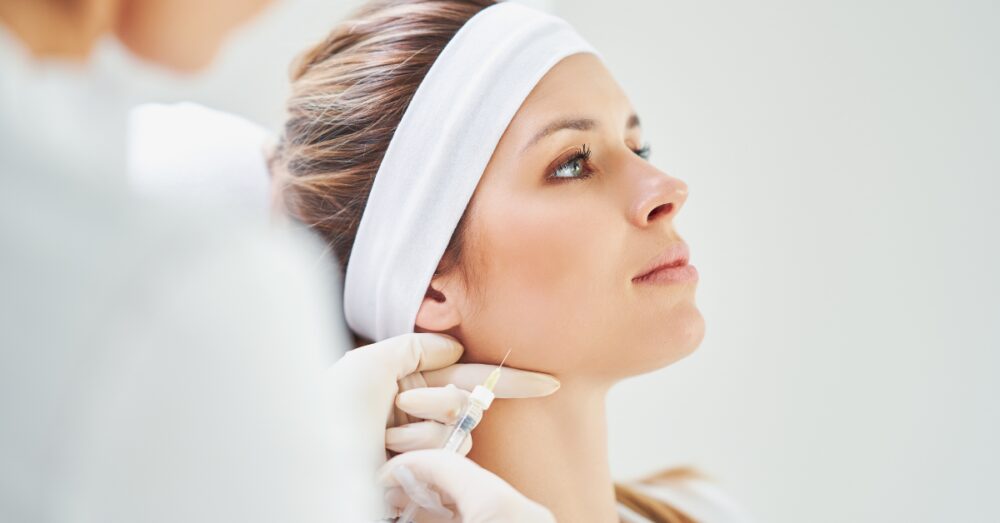
Botox is one of the most requested injectable treatments in aesthetic medicine, and for good reason. Whether you’re looking to soften forehead lines, slim your jawline, or address teeth grinding, Botox treatment areas extend well beyond the “Big Three” of forehead, frown lines, and crow’s feet. If you’ve been curious about where Botox injections can actually help and which areas might be right for you, this guide walks through every major zone, from the upper face down to the neck and beyond.
Key Takeaways:
- Botox treatment areas go well beyond the forehead, frown lines, and crow’s feet, extending to the nose, lips, chin, jawline, and neck for both cosmetic and functional concerns.
- Masseter Botox serves double duty by slimming a wide jawline and providing relief from teeth grinding and jaw clenching, making it one of the most versatile treatment zones.
- Combining Botox with dermal fillers across multiple areas in a single treatment plan often produces the most balanced, natural-looking results.
What Are the Core Botox Areas for Facial Wrinkles?
Most people start with three primary treatment areas on the upper face: forehead lines, frown lines between the brows, and crow’s feet at the outer corners of the eyes. These are the most commonly treated zones and tend to deliver visible, natural-looking results with minimal downtime.
That said, combination treatments across multiple areas often produce the most balanced, refreshed appearance. Treating one zone in isolation can sometimes look uneven, which is why experienced providers often recommend addressing related areas together.
1. Forehead Lines
Horizontal forehead lines develop from repeated raising of the eyebrows, driven by the frontalis muscle. Botox injections across the forehead can smooth wrinkles while still allowing natural expressions.
Dosing matters here. Men typically need more units than women due to stronger muscle mass. Overtreatment is a real concern, as too many units can flatten the brow entirely and limit eyebrow movement, creating a heavy or expressionless look. A skilled provider starts conservatively and adjusts at follow-up.
2. Frown Lines Between the Eyebrows
The glabellar lines, which are those vertical creases between the brows, are often the first thing clients want treated. These vertical lines can create an angry appearance even when you’re completely relaxed, which is why smoothing this area makes such a noticeable difference.
A standard five-point injection pattern across the glabellar complex targets the corrugator and procerus muscles. Before-and-after photos are always recommended so both you and your provider can track your results over time.
3. Crow’s Feet Around the Eyes
Crow’s feet form along the lateral orbicularis oculi muscle at the outer corners of the eyes. These fine lines show up most during smiling and squinting, and they tend to deepen with sun exposure and age.
Conservative dosing works best here. The goal is reducing wrinkles while preserving that natural crinkle when you smile. In some clients, treating crow’s feet with Botox can also create a subtle improvement in mild upper eyelid hooding.
Can Botox Treat Bunny Lines on the Nose?
Yes. Bunny lines are those nose wrinkles that appear when you scrunch your nose or laugh. A few targeted units along the nasal bridge can soften them without affecting your smile.
This is a lighter treatment area, so dosing should stay minimal. Combining with dermal fillers is only recommended when there’s actual structural volume loss in the midface; otherwise, Botox alone handles bunny lines well.
Perioral Treatment: Lip Lines and the Botox Lip Flip
Fine lines around the upper lip, sometimes called smoker’s lines, respond well to small amounts of Botox placed along the orbicularis oris muscle. This is also where the popular “lip flip” comes in. By injecting Botox just above the lip border, the upper lip gently rolls outward for a subtly fuller look.
Low dosing is critical in this area. Too much can interfere with speech, drinking through a straw, or other everyday functions. For clients who want actual volume, dermal fillers are the better option.
How Does Botox Help With Chin Dimpling?
Chin dimpling, which is that pebbled, “orange peel” texture, happens when the mentalis muscle is overactive. A small number of units injected into the chin can smooth this area effectively. Starting with minimal units and reassessing is the standard approach.
If the concern is more about structural volume loss than muscle activity, fillers may be a better fit, either alone or in combination with Botox.
Jawline Slimming and Masseter Botox for Teeth Grinding
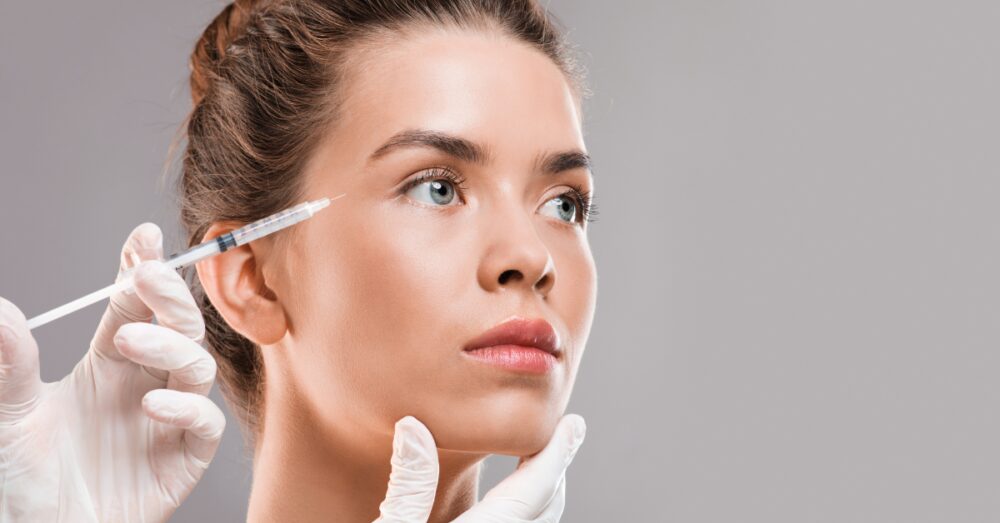
Injecting Botox into the masseter muscle serves two purposes: it can slim a wide or square jawline for a more contoured profile, and it provides real relief for clients dealing with bruxism and jaw clenching. The masseter muscle is powerful, so higher unit counts are typical here compared to other facial areas.
Providers often recommend staging masseter treatments by starting with a moderate dose and monitoring for any changes to bite strength before increasing. For many clients, the relief from teeth grinding alone makes this one of the most life-changing Botox treatment areas.
Botox for Neck Bands and the Nefertiti Lift
Vertical neck bands become more prominent with age as the platysma muscle tightens and pulls downward. Botox injections along these bands can soften the neck area and restore a smoother profile.
The Nefertiti lift takes this a step further by injecting along the jawline and upper neck to provide a subtle lifting effect to the lower face. It’s not a substitute for surgery when there’s significant excess skin, but for early laxity, it can deliver a noticeable improvement, especially when paired with other modalities.
When Should You Choose Botox vs. Dermal Fillers for the Under-Eye Area?
This is one of the most common questions providers hear. For the tear trough area, dermal fillers are generally the better choice when the concern is volume loss or hollowing. Botox works only for superficial fine lines caused by muscle movement around the lower eyelid and upper cheek.
Using Botox where fillers are needed or vice versa won’t give you optimal results. A thorough consultation helps determine which injectable treatment fits your specific concern.
Combining Botox With Dermal Fillers: What to Know
Many clients benefit from being treated with both Botox and fillers in a single visit or across a treatment plan. Common combination goals include:
- Softening forehead lines and frown lines with Botox while restoring midface volume with fillers
- Treating crow’s feet with Botox and adding lip filler for balance
- Using masseter Botox for jaw slimming alongside chin filler for projection
- Addressing dynamic wrinkles with Botox first, then filling static facial lines that remain
The general recommendation is to sequence Botox first, then fillers, to allow for accurate filler placement once the muscles have relaxed. Keep in mind that treating multiple areas in one session may increase bruising or temporary swelling, so plan accordingly.
FAQs About Botox Treatment Areas
How many units of Botox does a full-face treatment typically require?
This varies by individual, but a full-face treatment covering the forehead, frown lines, and crow’s feet generally ranges from 40 to 64 units for women and may go higher for men. Additional areas, like the masseter or chin, require separate unit counts. Your provider will customize dosing at your consultation.
Can you get Botox in multiple areas during the same appointment?
Absolutely. Treating multiple areas in a single visit is common and often recommended for a balanced, natural result. Your provider will discuss total dosing and any increased chance of temporary swelling or bruising when combining treatment areas.
Is there an age when Botox stops being effective for facial wrinkles?
Botox works on dynamic wrinkles at any age, but deeper, etched-in facial lines that remain even at rest may need dermal fillers or other treatments alongside Botox. A consultation helps determine the right combination for your goals and skin condition.
What happens to your facial expressions after getting Botox in several areas at once?
When injected properly, Botox softens wrinkles while preserving your ability to express naturally. The goal is always a more youthful appearance, not a frozen one. Muscle weakness or limited expression typically only happens with improper placement or excessive dosing.
How soon after Botox can you get dermal fillers in a nearby treatment area?
Many providers are comfortable performing both on the same day, though some prefer to wait one to two weeks between Botox and fillers in adjacent areas. This allows the Botox to settle so filler placement can be more precise. Your provider will guide the best timing based on your specific plan.
Book Your Botox Consultation at Body+Beauty Lab in Philadelphia, PA
Whether you’re interested in smoothing forehead lines, relieving jaw clenching, or exploring combination treatments, the licensed providers at Body+Beauty Lab in Philadelphia, PA are here to help you find the right approach. We also have locations in Radnor, PA, West Palm Beach, FL, and Bay Harbor Islands, FL. Schedule a consultation today to discuss which Botox treatment areas are right for you and start working toward the refreshed, natural results you’re looking for.