If you’ve been researching microneedling in Philadelphia, you’ve probably typed this exact question into Google at least once. Here’s the short answer: microneedling is generally not considered painful, but rather mildly uncomfortable. Most people describe it as a light scratching or soft vibration across the skin. With topical numbing cream applied beforehand, the sensation is very manageable for the vast majority of clients.
In this article, we’ll walk you through what a microneedling session actually feels like, how numbing cream works, what affects your pain level, and what to expect during the healing phase so you can head into your appointment feeling informed and confident.
What Does a Microneedling Session Feel Like?
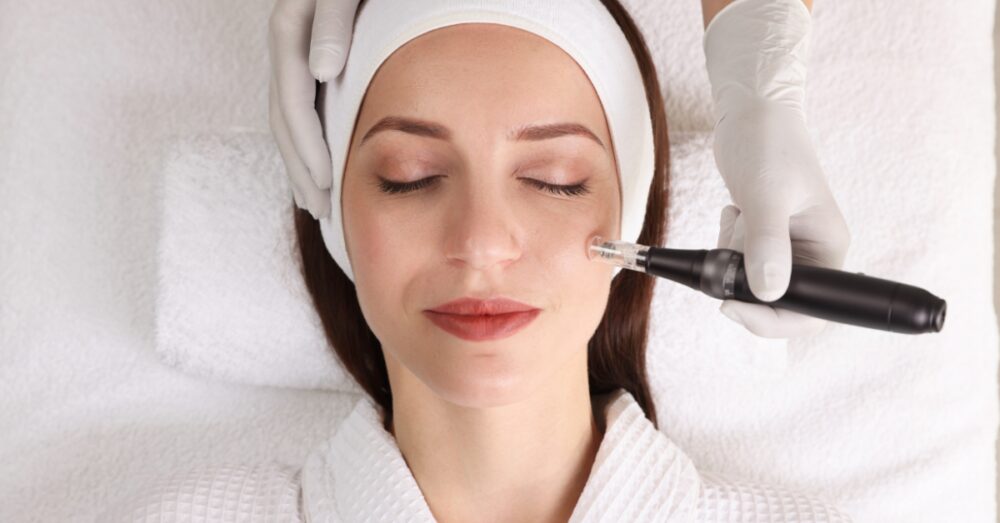
Microneedling, sometimes called collagen induction therapy, uses fine needles to create tiny micro injuries in the skin. These controlled punctures stimulate collagen and elastin production, encouraging the skin to repair itself and improve concerns like acne scars, fine lines, uneven skin tone, enlarged pores, and stretch marks.
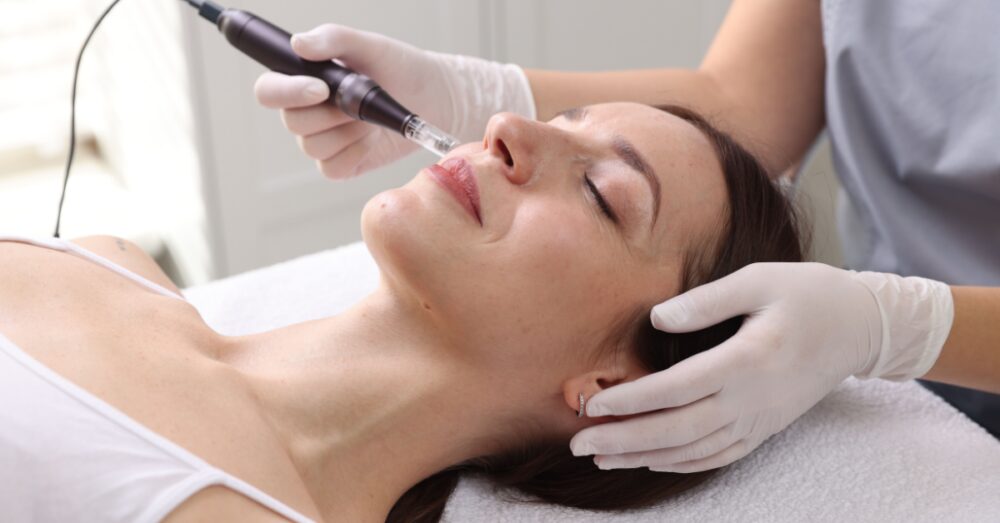
During a typical facial session, which usually lasts about 30 to 45 minutes, most clients report feeling a mild prickling sensation similar to light sandpaper being moved across the face. Some areas feel more intense than others, but the overall experience tends to be far less dramatic than people expect.
Think of it like this: if a bikini wax is a 7 out of 10 on the discomfort scale, most clients rate standard microneedling at about a 2 or 3.
How Do Needle Depth and Treatment Area Affect Pain Level?
The depth of the needles plays a direct role in how much sensation you feel. Shallow depths of around 0.25 to 0.5 millimeters are used for general skin rejuvenation and improving skin texture, and these typically cause minimal discomfort. Most clients barely notice anything beyond a light buzzing.
Medium depths between 1.0 and 1.5 millimeters target deeper concerns like acne scars, scar tissue, and uneven texture. At this range, you may feel more pressure and occasional pinpoint sensitivity, but it remains tolerable with numbing cream.
Deeper treatments of 2.0 millimeters and above reach the deeper layers of skin to boost collagen production more aggressively. These sessions may produce a stronger sensation, though your provider will adjust based on your comfort.
Bony areas like the forehead, jawline, and upper lip tend to feel more sensation during microneedling due to thinner skin in those regions. Fleshier areas like the cheeks are usually the most comfortable part of the treatment.
Does Numbing Cream Make Microneedling Painless?
Topical numbing cream is applied about 20 to 30 minutes before treatment begins. It works by dulling the nerve endings on the surface of the skin, which significantly reduces that scratchy, prickling feeling during the session.
However, numbing cream may not completely block all sensation, especially with deeper treatments. Some clients still notice a feeling of pressure or warmth as the device moves across the treatment area. For RF microneedling specifically, you may feel gentle heat beneath the surface that numbing cream doesn’t fully address, since RF energy targets the deeper layers of skin.
Still, the goal is always to minimize discomfort so your experience feels manageable from start to finish. Staying well hydrated in the days before your appointment also helps. Hydration before microneedling improves skin resilience and can actually enhance how well the numbing agents work.
Does Microneedling Hurt More With Active Acne?
If you have active acne, the treated areas may feel more sensitive during a microneedling session. Inflamed or broken-out skin is already irritated, so adding micro injuries on top of that can increase temporary discomfort.
This doesn’t mean microneedling can’t be done on acne-prone skin, but it does mean you should talk with your provider first. They can adjust needle depth, avoid actively inflamed spots, or recommend waiting until a breakout calms down before proceeding. This careful approach protects your skin and ensures the treatment feels as comfortable as possible.
Is Microneedling Painful Compared to Tattoos or Laser Treatments?
If you’ve ever gotten a tattoo, microneedling feels significantly lighter since there’s no sustained deep-needle pressure. Compared to laser resurfacing treatments, standard microneedling is generally milder because laser treatments often involve more intense heat on the skin’s surface.
RF microneedling falls somewhere in between. Because it combines traditional microneedling with radiofrequency energy, you’ll feel both the familiar prickling plus a warm, zapping sensation beneath the skin. Clients who have had an RF microneedling session in Philadelphia often describe it as very tolerable, especially with proper numbing.
It’s also worth noting that microneedling is generally safe for all skin types, including darker skin tones, as it does not carry the same risk of hyperpigmentation that some laser treatments do. Many RF microneedling devices are also FDA-cleared, meaning they’ve been rigorously reviewed for safety and effectiveness.
What Happens During the Healing Phase After Microneedling?
The healing process after microneedling follows a fairly predictable pattern. Here’s what most clients experience:
- Day 1: Skin looks red and feels warm, similar to a mild sunburn. Some mild swelling and pinpoint bleeding in treated areas is normal.
- Days 2–3: Redness begins fading. Microneedling can tighten your skin or make it feel slightly tender. Cool compresses can help with comfort during this window.
- Days 4–7: Minor peeling or dryness may appear as the skin heals and new skin cells emerge. This is a sign that collagen and elastin production is underway.
- Following weeks: Skin texture continues improving. Many clients notice smoother, more radiant skin as overall texture refines over the next several weeks.
During microneedling recovery, proper aftercare is essential. Cleanse your face gently with cool water and a mild, non-exfoliating cleanser. Apply a simple hydrating moisturizer free of active ingredients, and consider layering a hydrating serum with hyaluronic acid to help the skin soak up moisture as it repairs. Avoid direct sun exposure and use a broad-spectrum sunscreen with SPF 30 or higher every time you step outside.
When Should You Be Concerned? Red Flags and Aftercare
Most post-treatment discomfort is temporary and mild. However, contact your provider if you experience prolonged severe pain lasting beyond 72 hours, spreading redness that worsens instead of improves, signs of infection like pus or unusual warmth, or intense swelling that doesn’t respond to cool compresses.
If you notice a strong reaction, stop using any irritating topicals immediately and let your provider know. These situations are uncommon, but catching them early matters for how smoothly your skin heals.
How Should You Prepare Your Skin Before a Microneedling Appointment?
In the weeks leading up to your microneedling appointment, stop using retinols, exfoliants, and harsh active ingredients to avoid irritation and prevent skin sensitivity. Avoiding these irritants for 3 to 7 days beforehand is the minimum recommendation.
For optimal results, it’s also advised to avoid other intensive skin treatments such as chemical peels or laser procedures for at least two weeks before your microneedling session. Focus instead on keeping skin hydrated with gentle cleansers and a good moisturizer so your skin is in the best possible condition when treatment begins.
Frequently Asked Questions About Pain and Microneedling in Philadelphia
Is microneedling painful?
Most clients describe microneedling as mildly uncomfortable rather than painful. With topical numbing cream applied beforehand, the sensation is typically rated a 2 or 3 out of 10.
Does microneedling hurt more if you have low pain tolerance?
It can feel slightly more noticeable, but numbing cream and adjusted needle depth help significantly. Your provider can also pause at any point during the session to keep you comfortable.
Will numbing cream make microneedling completely painless?
Numbing cream greatly reduces surface sensation, but it may not eliminate all feeling, particularly the pressure or warmth from deeper treatments or RF energy. Most clients still find the experience very manageable.
How many treatments does it take before results reduce perceived pain?
Many clients say that after their first session, subsequent treatments feel easier because they know what to expect. Results from stimulated collagen production also continue building over multiple sessions, typically three to six.
Does RF microneedling hurt more than standard microneedling?
An RF microneedling treatment does add gentle heat from radiofrequency energy, which creates a warm zapping sensation. It’s more intense than standard microneedling, but most clients in Philadelphia tolerate it well with numbing cream and find the enhanced results for sagging skin, skin concerns, and elastin production well worth the temporary discomfort.
Ready to Experience Microneedling in Philadelphia?
Microneedling is one of the most effective advanced treatments available for improving skin texture, reducing acne scars, and supporting overall skin rejuvenation, and the discomfort is far less than most people imagine. With the right preparation, a skilled provider, and proper aftercare, your experience can be smooth, comfortable, and genuinely rewarding.
Body+Beauty Lab in Philadelphia, PA is here to answer your questions and help you feel completely at ease before, during, and after your session. Call (215) 258-8301 to book your microneedling appointment today.